December 23, 2025 by tomek_lasota 0 Comments

The Ultimate Guide to Comparing Stone Kitchen Tiles

Why Stone Kitchen Tiles Are a Premium Choice for Chicago, IL Homes

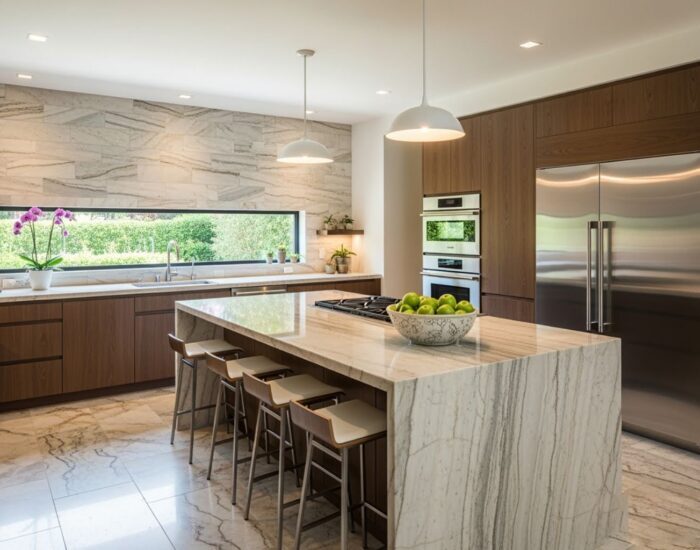
luxurious modern kitchen with natural stone tiles - Stone Kitchen Tiles

Stone Kitchen Tiles bring timeless beauty and best durability to one of the most important spaces in your home. Here’s what you need to know:

Quick Overview of Stone Kitchen Tiles:

  • Top Materials: Marble (neat), Limestone (warm), Granite/Quartzite (most durable), Slate (rustic)
  • Best For Floors: Granite, quartzite, slate (high durability, slip resistance)
  • Best For Backsplashes: Marble, limestone (stunning visuals, easier maintenance)
  • Key Benefit: Each tile is unique with natural patterns that cannot be replicated
  • Lifespan: 50-100+ years with proper care
  • Maintenance: Requires sealing and pH-neutral cleaners
  • Investment: Higher upfront cost, but increases home value significantly

Natural stone has been used in kitchen design for centuries, and modern technology has only expanded the possibilities. From the earthy warmth of limestone to the luxurious veining of marble, these materials offer something no manufactured product can match: exclusivity. No two natural stone tiles are exactly alike, making your kitchen truly one-of-a-kind.

The appeal goes beyond aesthetics. Natural stone tiles are incredibly durable, handling the daily demands of a busy kitchen while maintaining their beauty for decades. They’re bacteria-resistant, can be finished with anti-slip surfaces, and work beautifully in both traditional and contemporary designs. Whether you’re renovating a small apartment kitchen or designing a sprawling culinary space, stone tiles offer versatility that adapts to your vision.

But choosing the right stone for your kitchen isn’t always straightforward. With so many materials, finishes, sizes, and styles available, homeowners often feel overwhelmed by the options. Should you choose polished marble for that hotel-like elegance, or opt for the hard-wearing nature of quartzite? Is limestone too soft for a high-traffic family kitchen? What finish prevents slipping without sacrificing style?

This guide will walk you through everything you need to know about Stone Kitchen Tiles—from comparing different materials and their properties to understanding maintenance requirements and design considerations. You’ll learn how to select the perfect stone for your specific needs, whether you’re focused on durability, aesthetics, or both.

I’m Greg Zamarski, owner of Global Stone in Chicago, IL, where we specialize in premium European tiles including ceramic, porcelain, marble, slate, and mosaic options. Our expertise in Stone Kitchen Tiles helps Chicago homeowners steer the selection process and find materials that perfectly balance beauty with functionality for their unique space.

infographic showing the journey of natural stone from quarry to finished kitchen installation, including steps: extraction from earth, cutting and shaping, finishing (polished, honed, tumbled), quality inspection, installation in kitchen as floor or backsplash, with icons showing unique veining patterns and natural variations that make each tile one-of-a-kind - Stone Kitchen Tiles infographic infographic-line-5-steps-elegant_beige

Key terms for Stone Kitchen Tiles:

  • Kitchen backsplash design
  • Premium kitchen design

Why Choose Natural Stone for Your Kitchen? The Best Benefits

When we consider materials for our kitchens, we’re looking for a blend of beauty, resilience, and practicality. Natural Stone Kitchen Tiles excel in all these areas, offering a host of benefits that make them a truly premium choice for homes across Chicago, IL.

One of the most compelling advantages is their inherent durability. Natural stone is quarried directly from the earth, formed over millions of years, giving it an innate toughness that synthetic materials often struggle to match. This strength translates into a long-lasting surface that can withstand the daily rigors of a busy kitchen, from dropped pots to constant foot traffic. This durability contributes to an impressive longevity, with some natural stone flooring lasting from 50 to over 100 years with proper maintenance. Historic buildings around the world still showcase original stone floors in active use today, as documented in resources like natural stone flooring guides.

For homes with large families, children, or pets, natural stone’s ability to handle high-traffic areas is a significant plus. It resists daily wear and tear, ensuring that your kitchen remains beautiful and functional. Furthermore, certain natural stones, like limestone, can be treated to have an anti-slip surface, providing an extra layer of safety against spills – a common occurrence in any active kitchen. This makes them an ideal choice for households that prioritize both style and practicality.

Beyond their functional attributes, Stone Kitchen Tiles significantly improve the value and appeal of a kitchen. They are a sound investment that can boost your home’s overall market value. The elegance these tiles reflect throughout your kitchen is undeniable. This improvement in charm and functionality is a key reason why natural stone is a top pick for many homeowners undertaking a Luxury Kitchen Design project.

Perhaps the most captivating benefit is the unique aesthetics they bring. Each natural stone tile boasts its own distinct patterns, colors, and textures, impossible to replicate artificially. This means your kitchen will possess a truly one-of-a-kind veining and character, creating an atmosphere of exclusivity. This natural artistry provides a timeless appeal that never goes out of style, making your kitchen a focal point that combines classic elegance with modern functionality.

Moreover, natural stone is often bacteria-resistant, contributing to a more hygienic kitchen environment. It’s also remarkably easy to maintain, especially when following simple guidelines, allowing you to appreciate its beauty rather than worrying about constant upkeep.

Choosing natural Stone Kitchen Tiles is an investment in enduring beauty, superior functionality, and lasting value for your Chicago, IL home.


A Deep Dive into Popular Stone Kitchen Tiles

When selecting Stone Kitchen Tiles for your kitchen, understanding the distinct characteristics of each material is crucial. Different natural stones offer varied levels of durability, unique aesthetic appeals, and specific maintenance requirements. We at Global Stone help our clients steer these choices, ensuring they find the perfect balance for their unique lifestyle and design vision.

sample board showing different types of stone tiles like marble, limestone, and slate - Stone Kitchen Tiles

The performance of each stone type is influenced by its material properties, including its porosity (how easily it absorbs liquids) and hardness (its resistance to scratches and wear). These factors directly impact the suitability of a stone for different kitchen applications. While we also offer Stone Style Porcelain Tiles that mimic natural stone, nothing quite compares to the genuine article.

Comparison of popular natural stone types for kitchen tiles:

MaterialDurabilityMaintenanceBest For
MarbleModerately durable, susceptible to etching/scratchesHigh (regular sealing, immediate spill cleanup)Backsplashes, low-traffic floors, feature walls
LimestoneDurable, hard-wearing, can last for yearsModerate (regular sealing, easy cleaning with pH-neutral)Floors, walls, backsplashes (especially for rustic/traditional styles)
GraniteVery high (extremely hard, scratch/heat resistant)Low (sealing recommended, easy to clean)High-traffic floors, countertops, backsplashes
SlateHigh (dense, durable, naturally slip-resistant)Moderate (sealing recommended, easy to clean)High-traffic floors, backsplashes, rustic-style walls
QuartziteVery high (extremely hard, similar to granite)Low (sealing recommended, easy to clean)High-traffic floors, countertops, backsplashes

Marble: The Epitome of Elegance

Marble tiles instantly evoke a sense of luxury and sophistication, making them a favorite for those aiming for a high-end aesthetic. Its characteristic veining patterns and soft, often luminous appearance create a truly classic look. We’ve seen marble transform countless kitchens in Chicago into spaces of unparalleled elegance.

However, marble is a softer stone compared to granite or quartzite. While beautiful, it is susceptible to etching from acidic substances (like lemon juice or vinegar) and can scratch more easily. This means it requires more diligent care. Regular sealing is required to protect against stains, and spills should be wiped up promptly.

For kitchen applications, marble is often chosen for backsplashes or low-traffic areas where its beauty can be admired without constant exposure to heavy wear. Finishes also play a role: polished marble offers a high-gloss, reflective surface, while honed marble has a matte, softer look that can be more forgiving of minor imperfections. For those who love the look of marble but seek more durability, our Marble Style Porcelain Tiles offer a fantastic alternative.

Limestone: Warmth and Classic Charm

Limestone has been a beloved choice for kitchen tiles for centuries, and for good reason. It brings a unique warmth and classic charm to any space, with its beautiful earthy tones ranging from creamy whites to soft grays and beiges. For kitchens in Chicago looking for a natural, grounded feel, limestone is often our first recommendation.

Research highlights limestone as one of the most prominently used natural stones for kitchen floors, apart from marble. It’s a classic stone that has been used in kitchen design for centuries and continues to be popular. Its benefits are numerous: it’s hard-wearing, extremely strong, and durable, allowing it to last for years with easy maintenance.

Being a softer stone than granite, limestone is naturally more porous, which means sealing is required to prevent stains. However, it boasts superb durability and is remarkably easy to maintain with pH-neutral cleansers. An added practical benefit is that limestone is naturally bacteria-resistant, contributing to a hygienic kitchen environment. Furthermore, it can come with an anti-slip surface, making it an excellent choice for homes with large families, elderly members, kids, and even pets, where preventing accidents due to spills is a priority.

Limestone is incredibly versatile, making it suitable for a wide array of styles, from traditional and contemporary to modern and even future-forward homes. It’s particularly great for creating rustic or traditional styles, providing a timeless look that never goes out of fashion.

Granite & Quartzite: The Durability Champions

For those prioritizing uncompromising strength and resilience, granite and quartzite stand out as the durability champions among natural Stone Kitchen Tiles. These stones are exceptionally hard, making them incredibly resistant to scratches, chips, and heat – qualities essential for any busy kitchen in Chicago.

Granite, a common choice for countertops, also makes for an excellent flooring and backsplash material. Quartzite, often mistaken for marble due to its similar appearance, is actually much harder, providing the neat look of marble with the toughness of granite. Both materials are significantly less porous than marble or limestone, meaning they are less likely to absorb liquids and stains, though sealing is still recommended for optimal protection.

Their robust nature makes them ideal for high-traffic floors and areas around cooking zones where durability is paramount. They come in a wide variety of colors and patterns, from speckled granites to veined quartzites, offering aesthetic versatility. When designing an Italian Kitchen or any kitchen that demands both beauty and brawn, granite and quartzite are top contenders.

Slate: Rustic and Textured Appeal

Slate offers a distinct aesthetic that is both earthy and refined, bringing a rustic and textured appeal to kitchen spaces. Known for its unique cleft texture, slate tiles have a naturally uneven surface that adds character and depth. This characteristic also makes slate naturally slip-resistant, a valuable safety feature for kitchen floors where spills are common.

Available in rich, dark, earthy colors like charcoal gray, deep green, and purple, slate can create a grounding and sophisticated ambiance. It is a dense and durable stone, making it suitable for both floors and walls, and is often a more affordable option compared to marble or granite. We’ve seen slate used beautifully in farmhouse-style kitchens in Chicago, providing a robust yet stylish surface. Its inherent toughness and longevity make it a practical choice for high-traffic areas without sacrificing style. For a truly grounded aesthetic, slate is an excellent choice.


Designing with Stone: From Floors to Backsplashes

The beauty of Stone Kitchen Tiles lies not just in their inherent material properties but also in their incredible design versatility. Whether we’re focusing on a Kitchen Tile Design for floors, walls, or backsplashes, natural stone offers endless possibilities to create a space that is both functional and visually stunning. Our Inspirations Gallery showcases how these materials can transform any kitchen.

Choosing the Right Finish for Your Stone Kitchen Tiles

The finish of a natural stone tile dramatically impacts its look, feel, and suitability for different areas of your kitchen.

  • Polished finish: This highly reflective, glossy surface brings out the deepest colors and intricate patterns of the stone, giving it a luxurious and neat look. While visually stunning, especially for wall cladding, polished natural stone wall cladding tiles for kitchen are easy to maintain and wipe down after a heavy day of cooking. However, for flooring, a polished finish can be slippery when wet, increasing the risk of falls. This makes it generally less recommended for kitchen floors, especially in busy households.
  • Honed/Matte finish: A honed finish is smooth but non-reflective, offering a softer, more understated elegance. It’s less slippery than polished stone and tends to hide imperfections and scratches more effectively. Matte kitchen floor tiles are perfect to prevent slipping accidents in case of spills. This makes honed or matte finishes an excellent choice for kitchen floors in high-traffic areas, prioritizing safety without compromising on style.
  • Tumbled/Brushed finish: These finishes provide an aged, rustic appeal with a slightly textured surface. Tumbled tiles have rounded edges and a worn look, while brushed tiles have a soft, textured feel. Both are naturally slip-resistant and are ideal for farmhouse, rustic, or traditional kitchen designs, adding character and warmth.

We also offer a variety of other textures, patterns, and colors in our collection to ensure you find the exact fit for your kitchen.

Size and Shape: Creating Visual Impact with Stone Kitchen Tiles

The size and shape of your Stone Kitchen Tiles can significantly influence the perception of space and the overall aesthetic of your kitchen.

For smaller kitchens, choosing the right size is crucial. While standard sizes are 300x300mm or 400x400mm, larger tiles can actually create an illusion of more space by reducing the number of grout lines, making the floor or wall appear more expansive. This is why we often recommend Large Format Porcelain Tiles or large format stone tiles for many Chicago kitchens, even smaller ones.

For larger kitchens, going with large tiles that range in size from 600x600mm and more can create a grand, seamless look and can even speed up installation. We dig deeper into this topic in our guide, Modern Kitchens Using Large Format Tiles: Discover Trends at Global Stone Chicago.

Beyond square and rectangular tiles, consider more intricate patterns like Herringbone or Versailles to add visual interest and a custom feel. The choice of size and style is ultimately subjective, allowing homeowners to express their personal taste.

Matching Stone Tiles to Your Kitchen Style

Natural Stone Kitchen Tiles are incredibly versatile, capable of enhancing a wide array of kitchen design styles.

  • Modern/Contemporary: For sleek, minimalist designs, we often recommend large format granite or quartzite tiles with clean lines and a honed finish. Their subtle patterns and sophisticated color palettes complement the streamlined aesthetic of contemporary kitchens.
  • Traditional/European: Marble and limestone are quintessential choices for traditional and European Kitchen Design styles. The classic elegance of marble’s veining or the warm, inviting tones of limestone create a sense of heritage and timeless sophistication. Polished marble backsplashes or honed limestone floors can anchor a traditional design beautifully.
  • Rustic/Farmhouse: To achieve a cozy, earthy farmhouse or rustic look, slate or tumbled limestone tiles are ideal. Their natural textures, irregular edges, and muted color variations add character and warmth, creating a welcoming atmosphere. We offer a wide range of natural stone tiles to help you find the ideal match for your style, turning your kitchen into a culinary utopia.

Practical Considerations for Your Investment

Investing in Stone Kitchen Tiles is a decision that impacts the long-term beauty and functionality of your home. Understanding the practical aspects of their care, durability, safety, and cost is essential for ensuring a successful and satisfying outcome for your Kitchen Remodeling project.

person cleaning a stone tile floor with a pH-neutral cleaner - Stone Kitchen Tiles

Maintenance and Cleaning Essentials

One of the most important aspects of long-term ownership of natural Stone Kitchen Tiles is consistent upkeep and maintenance. This is key to investment protection and preserving their beauty for years to come.

The most critical step is regular sealing. Natural stone, being porous, can absorb liquids, leading to stains. A good quality sealant creates a barrier that helps prevent this, especially important in a kitchen environment prone to spills. The frequency of sealing depends on the type of stone and its usage, but generally, it’s recommended every 1-3 years.

For daily cleaning, use pH-neutral cleansers specifically designed for natural stone. Avoiding acidic chemicals like vinegar, lemon juice, or harsh abrasive cleaners is paramount, as these can etch, dull, or damage the stone’s surface and compromise the sealant. Simple wiping with a damp cloth and a stone-safe cleaner is usually sufficient for spills and general cleaning.

Don’t forget grout care. Grout lines, especially if unsealed, can also absorb stains. Regular cleaning of grout and applying a grout sealant can help maintain a pristine appearance.

Following these easy yet efficient steps will ensure your kitchen tiles remain magnificent for many years. For more personalized advice on maintaining your specific stone, consider consulting with our experts during your remodeling services consultation.

Durability, Safety, and Sustainability

Natural Stone Kitchen Tiles are renowned for their durability and long lifespan, making them an excellent choice for kitchens in Chicago. They are inherently tough and can withstand the regular spills and scratches common in a kitchen, ensuring they retain their beauty for decades. Our kitchen tiles are the best option for high-traffic areas thanks to their great quality and longevity.

Safety is another key consideration, especially for kitchen floors. While polished stone can be slippery when wet, choosing honed finishes or textured surfaces like slate can significantly improve slip resistance. Limestone, for instance, can be specified with an anti-slip surface for added protection.

From a sustainability perspective, natural stone is an inherently eco-friendly choice. It’s a natural material quarried from the earth, and its exceptional longevity reduces waste by minimizing the need for frequent replacement. By choosing natural stone, you’re making a conscious decision for a durable, beautiful material that stands the test of time.

Understanding the Cost and Value

The cost of natural stone kitchen tiles can vary significantly depending on the type of stone, its origin, finish, and rarity. Generally, natural stone represents a higher initial investment compared to other popular kitchen flooring and wall materials like ceramic or porcelain tiles.

However, it’s crucial to look beyond the upfront price and consider the long-term value. The durability and longevity of natural stone mean it doesn’t need to be replaced frequently, saving you money in the long run. Moreover, natural stone significantly improves the charm of your kitchen space, ensuring they keep their beauty for years to come. This translates directly into improved resale value for your home.

With natural Stone Kitchen Tiles, you’re not just buying a material; you’re investing in elegance, practicality, and a timeless aesthetic that will improve your kitchen’s appeal and functionality for decades.


Frequently Asked Questions about Stone Kitchen Tiles

How do I choose the right size tile for my kitchen?

Choosing the right tile size depends on the dimensions of your kitchen and your personal aesthetic preference. For smaller kitchens, it might seem counterintuitive, but large tiles can create the illusion of more space by reducing the number of grout lines and making the area feel less cluttered. Standard sizes like 300x300mm or 400x400mm work well for traditional looks. For larger kitchens, you can confidently go with larger tiles, ranging from 600x600mm and more, for a grander, more seamless appearance. We have a detailed guide, All You Need to Know About Large-Format Tiles, that can further assist you. The size can be a subjective choice,
December 23, 2025 by tomek_lasota 0 Comments

Is Natural Stone Right for Your Kitchen? A Comprehensive Guide

Why Natural Stone Remains the Premier Choice for Kitchen Excellence

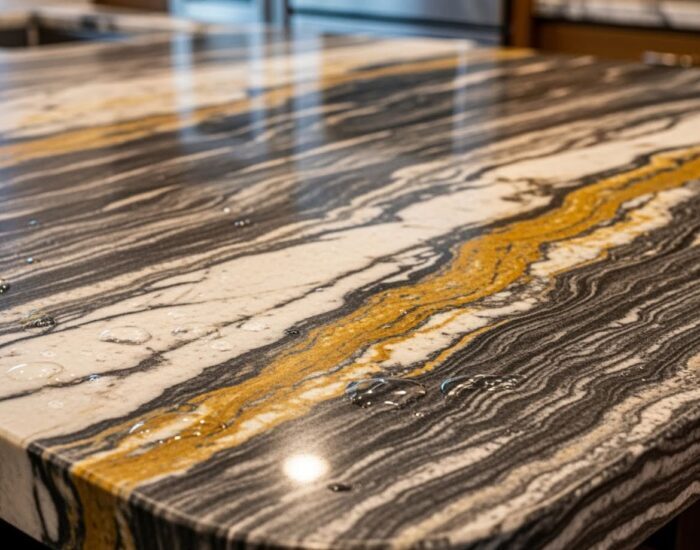
natural stone kitchen countertop - Natural stone kitchen

Natural stone kitchen surfaces have captivated homeowners for centuries, and for compelling reasons. If you’re considering this timeless material for your renovation, here’s what you need to know:

Key Benefits of Natural Stone Kitchens:

  • Best Durability – Granite and quartzite resist heat, scratches, and daily wear
  • Unique Beauty – Each slab features one-of-a-kind veining and patterns
  • Investment Value – Natural stone countertops can increase your home’s resale value
  • Heat Resistance – Place hot pans directly from the stove (though trivets are recommended)
  • Longevity – Properly maintained stone surfaces can last a lifetime

Popular Natural Stone Options:

  1. Granite – $10-$140 per sq ft, highly durable, wide color range
  2. Marble – $15-$190 per sq ft, neat veining, requires more maintenance
  3. Quartzite – $55-$75 per sq ft, combines beauty with exceptional strength
  4. Soapstone – $20-$70 per sq ft, naturally non-porous, develops patina

There’s a reason natural stone never goes out of style. As one industry expert puts it, natural stone possesses a quality of “condensed energy” – millions of years of geological history that creates an immediate, emotional connection unlike any manufactured material. When customers enter a showroom, they’re instinctively drawn to touch these surfaces, feeling the warmth and authenticity that only genuine stone can provide.

The real appeal goes beyond aesthetics. Natural stone is nearly indestructible and virtually maintenance-free when properly sealed. Each slab tells its own story through unique veining, color variations, and patterns that no two pieces can replicate. This authenticity transforms your kitchen from a functional space into a luxurious focal point that lifts your entire home.

I’m Greg Zamarski, owner of Global Stone in Chicago, IL, where we’ve helped countless homeowners select and install premium natural stone kitchen surfaces from Europe’s finest manufacturers. With thousands of square feet of warehouse inventory and direct relationships with prestigious Polish suppliers, we guide Chicago homeowners through every decision – from selecting the perfect slab to understanding long-term care.

Infographic showing the journey of natural stone from quarry extraction through cutting, polishing, fabrication, and final installation as a kitchen countertop, with key quality checkpoints and processing stages highlighted - Natural stone kitchen infographic

Natural stone kitchen terms to know:

  • Kitchen backsplash design
  • Premium kitchen design

Why Choose Natural Stone for Your Kitchen?

Choosing natural stone for your kitchen is an investment in a lifestyle, blending practicality with timeless elegance. A beautifully crafted natural stone kitchen often becomes the heart of a Chicago, IL home.

One of the most compelling reasons is durability. Forged over millennia, these materials are incredibly resilient, offering resistance to heat and scratches that many other materials cannot match. While we always recommend using a trivet to protect your investment, many natural stones possess remarkable heat resistance.

hot pan on granite countertop - Natural stone kitchen

Beyond its strength, the beauty of natural stone is unparalleled. Each slab is a unique masterpiece from nature, with intricate veining and captivating patterns that ensure your kitchen will be one-of-a-kind. This authenticity brings a warmth and character that artificial surfaces struggle to achieve, creating a serene and inviting atmosphere.

Finally, natural stone is a smart long-term investment. Its longevity means countertops can last a lifetime, minimizing replacement costs. Homes with natural stone are often perceived as more luxurious, which can significantly increase resale value. In the competitive Chicago, IL real estate market, a natural stone kitchen is a feature that makes a home stand out, attracting discerning buyers and potentially leading to a faster, more profitable sale.


Exploring the Most Popular Natural Stones

Choosing the right natural stone for your kitchen involves balancing aesthetic desires with practical considerations. Each stone type offers a unique blend of beauty and performance. Here’s a comparative look at the most popular choices we offer at Global Stone, catering to the diverse needs of Chicago, IL homeowners:

Granite
Durability: Excellent
Porosity: Low to Medium
Heat Resistance: Excellent
Maintenance Level: Low to Medium (sealing)
Typical Cost: $10–$140 per sq ft installed

Marble
Durability: Good
Porosity: High
Heat Resistance: Excellent
Maintenance Level: High (sealing, etching)
Typical Cost: $15–$190 per sq ft installed

Quartzite
Durability: Excellent
Porosity: Low to Medium
Heat Resistance: Excellent
Maintenance Level: Low to Medium (sealing)
Typical Cost: $55–$75 per sq ft installed

Soapstone
Durability: Good
Porosity: Very Low
Heat Resistance: Excellent
Maintenance Level: Low (mineral oil)
Typical Cost: $20–$70 per sq ft installed


showroom displaying various slabs of granite, marble, and quartzite - Natural stone kitchen

Granite: The Durable Workhorse

Granite is consistently one of the most popular choices for natural stone kitchen countertops, and for good reason. This igneous rock, formed from cooling magma, is incredibly hard and dense, making it a true workhorse in the kitchen. It’s composed primarily of quartz and feldspars, giving it exceptional resistance to heat, scratches, and everyday wear. You’ll find granite in an astonishing array of colors and patterns, from subtle speckles to dramatic veining, ensuring a perfect match for any design aesthetic.

While highly durable, granite is a porous stone, meaning it requires sealing to prevent staining. However, with proper sealing, it becomes remarkably resistant to liquids and acids. Its widespread availability and robust nature make it an excellent value. In terms of cost, granite countertops typically range between $10–$140 per square foot installed, making it a versatile option for various budgets. We’ve seen granite transform countless kitchens across Chicago, IL, offering both beauty and brawn.


Marble: The Epitome of Elegance

Marble, a metamorphic stone formed from limestone under intense pressure and heat, is synonymous with luxury and timeless elegance. Its unique, often dramatic veining and soft, luminous appearance have captivated designers and homeowners for centuries. If you’re seeking a kitchen that exudes classic sophistication, marble is an unrivaled choice.

However, marble’s beauty comes with specific considerations. It is softer and more porous than granite or quartzite, making it more susceptible to etching from acidic foods (like lemon juice or vinegar) and staining if not properly sealed. Many homeowners, particularly in Europe, accept the patina that develops on marble over time, seeing it as part of its character and history. For those who prefer a pristine surface, marble requires more diligent maintenance and frequent sealing. The cost of marble countertops generally ranges from $15–$190 per square foot installed.


Quartzite: The Best of Both Worlds

Quartzite is a rising star in the natural stone kitchen world, offering a compelling blend of marble’s aesthetic appeal and granite’s formidable durability. This metamorphic rock is formed when quartz-rich sandstone is subjected to extreme heat and pressure. The result is a stone that is exceptionally hard, dense, and resistant to scratches and heat. Many varieties of quartzite mimic the neat veining and soft colors of marble, making it an ideal choice for those who desire that sophisticated look without marble’s higher maintenance demands.

Quartzite is tougher than granite and less porous than marble, making it an increasingly popular and practical choice for busy kitchens. While it’s still a natural stone and benefits from sealing, its inherent properties make it highly resistant to staining and etching. Quartzite countertops usually cost between $55–$75 per square foot installed, representing excellent value for its superior performance and stunning appearance. At Global Stone, we’re proud to offer exquisite Brazilian Quartzite options that bring unparalleled beauty and resilience to Chicago, IL kitchens.


Soapstone, Slate, and Others

Beyond the big three, several other natural stones offer unique characteristics for kitchen applications:

  • Soapstone: Composed mainly of talc, this stone has a unique soft feel. It’s non-porous, resisting stains, heat, and acids without sealing. It develops a natural patina over time and can scratch more easily than granite, though marks can often be sanded out. Periodic mineral oil application improves its deep color. Soapstone countertops typically range from $20–$70 per square foot installed.
  • Slate: This durable, non-porous rock offers excellent heat and stain resistance with minimal maintenance. Its dark, matte finish provides a sophisticated, modern, or rustic look.
  • Other Stones (Limestone, Travertine, Dolomite, Onyx): While beautiful, stones like limestone, travertine, dolomite, and onyx are generally not recommended for high-traffic kitchen countertops. They are softer, more porous, and more susceptible to staining, etching, and scratching than granite or quartzite, requiring significant maintenance.

For the demanding environment of a kitchen countertop, we primarily recommend granite and quartzite for their superior durability and ease of maintenance. While marble and soapstone can be excellent choices, they come with specific care requirements that homeowners should be fully aware of.


Conclusion

The allure of a natural stone kitchen is undeniable. It’s a choice that speaks to both the heart and the head, offering a unique blend of timeless beauty, exceptional durability, and tangible value. From the robust resilience of granite and quartzite to the classic elegance of marble and the distinctive charm of soapstone, each material tells its own story, contributing to a kitchen that is truly one-of-a-kind.

At Global Stone, we believe that choosing natural stone is an investment in the long-term beauty and functionality of your home. It’s a decision that will improve your daily life and lift your property’s appeal for years to come. We understand the nuances of each stone, its origins, and how it will perform in a busy Chicago, IL kitchen.

We’re here to help you steer the vast world of natural stone, offering our expertise in sourcing premium European materials and providing comprehensive renovation services. Whether you’re envisioning a bold statement with a waterfall island or a subtle elegance with a honed finish, we’re dedicated to helping you select the perfect stone that aligns with your lifestyle and design aspirations.

December 23, 2025 by tomek_lasota 0 Comments

The Ultimate Guide to Cleaning Natural Stone Kitchen Wall Tiles

Why Natural Stone Kitchen Wall Tiles Deserve Special Care

natural stone kitchen wall tiles - how to clean natural stone kitchen wall tiles

How to clean natural stone kitchen wall tiles properly requires pH-neutral cleaners, microfiber cloths, and immediate spill response. Here’s the quick approach:

Daily: Wipe tiles with a damp microfiber cloth and pH-neutral stone cleaner
Weekly: Deep clean with warm water and stone-specific cleaner, working top to bottom
Monthly: Check grout lines and clean with baking soda paste if needed
Annually: Reseal tiles to protect against stains and moisture damage
Never use: Vinegar, lemon juice, bleach, or abrasive cleaners on natural stone

There’s nothing more beautiful than the permanence of natural stone. With the right care and regular maintenance, your stone can last a lifetime. But natural stone is fundamentally different from porcelain or ceramic tiles. It’s porous, it’s sensitive to acids, and it can absorb bacteria, dirt, and liquids if not properly maintained.

Many homeowners invest thousands of dollars in stunning marble, granite, or travertine backsplashes, only to accidentally damage them with the wrong cleaning products. Acidic substances like orange juice, coffee, vinegar, wine, and even common household cleaners can permanently etch marble and limestone surfaces. What looks like a simple cleaning routine can actually strip away protective sealers or create dull spots on polished finishes.

The good news? Cleaning natural stone kitchen wall tiles doesn’t have to be complicated. It just requires understanding what your specific stone needs and avoiding a few common mistakes.

I’m Greg Zamarski, owner of Global Stone in Chicago, IL, where we specialize in premium European natural stone tiles and help homeowners preserve their beauty. Through years of guiding clients on how to clean natural stone kitchen wall tiles and maintain their investments, I’ve learned that proper care starts with the right knowledge.

Infographic showing natural stone tile cleaning essentials: Do's include using pH-neutral cleaners, microfiber cloths, immediate spill cleanup, and annual sealing. Don'ts include avoiding vinegar, lemon juice, bleach, abrasive scrubbers, and letting spills sit. Center shows annual sealing schedule and daily wipe-down routine for kitchen wall tiles. - how to clean natural stone kitchen wall tiles infographic mindmap-5-items

Simple guide to how to clean natural stone kitchen wall tiles:

  • Kitchen backsplash design
  • Premium kitchen design

Understanding Your Natural Stone: Types and Specific Needs

Natural stone, whether it graces your floors or, in this case, your kitchen walls, is a product of nature. This means it comes with inherent characteristics that differentiate it significantly from manufactured tiles like porcelain or ceramic. Its beauty lies in its unique patterns and textures, but its challenge lies in its porous nature. Natural stone is a porous material that can absorb bacteria, dirt, liquids, and all sorts of other grime. All stone tiles are naturally porous to varying degrees and will require particular levels of treatment to improve stain resistance and withstand the demands of modern-day living.

Another critical factor is acid sensitivity. Different types of natural stone react differently to acidic substances, which is especially important in a kitchen environment where spills are common. Understanding your specific stone type is the first step in mastering how to clean natural stone kitchen wall tiles effectively and safely.

various natural stone tile types like marble, granite, and slate - how to clean natural stone kitchen wall tiles

Calcium-Based Stones (Marble, Limestone, Travertine)

These stones are primarily composed of calcium carbonate and calcite, making them particularly vulnerable to acids. If you have marble, limestone, or travertine kitchen wall tiles, you need to be extra cautious. Acidic substances such as orange juice, coffee, vinegar, wine, tomato products, mustard, and many soft drinks will “etch” most marble, limestone, and travertine. Etching isn’t a stain; it’s a chemical reaction that literally eats away at the stone’s surface, creating dull spots that are difficult to remove without professional intervention.

Due to their higher porosity, these stones also require frequent sealing to prevent moisture from penetrating their small pores and causing stains. When cleaning, it’s imperative to use only pH-neutral cleaners specifically designed for natural stone. Never use vinegar, lemon juice, or other cleaners containing acids.

Siliceous Stones (Granite, Slate, Quartzite)

In contrast to calcium-based stones, siliceous stones like granite, slate, and quartzite are more durable and generally less porous. Granite tiles and slate tiles can be sealed after laying as they are very dense materials that do not stain easily. While they offer better resistance to acids, they are not entirely immune to damage, especially from prolonged exposure to highly acidic substances.

Sealing is still strongly recommended for these stones, particularly in a kitchen environment, to provide maximum stain protection against oil and food spills. A good sealer will help repel liquids and make cleaning much easier, preserving the stone’s beauty for years to come.

Textured vs. Polished Finishes

The finish of your natural stone kitchen wall tiles also plays a role in their cleaning needs.

Polished Finish: A polished surface is smooth and reflective, offering a luxurious look. However, it’s more prone to showing damage like etching and water spots. When cleaning polished stone, we use soft cloths to avoid scratching the shiny veneer. If a poultice dulls polished stone, we can use a stone polish to restore shine.

Textured Finish: Textured stones, such as honed, tumbled, or split-face varieties, have a more rustic or matte appearance. While they might hide minor imperfections better, their uneven surfaces can trap dirt and grease more easily. Cleaning rags and paper towels often catch and snag on the rough stone of slate and quartzite backsplashes. For these, we recommend using a non-abrasive scrub pad or a soft-bristle brush to loosen dirt without scratching or leaving fibers behind.


The Essential Toolkit: Safe Products and Supplies

To properly clean natural stone kitchen wall tiles, having the right tools and products is half the battle. This isn’t a job for your all-purpose household cleaner. Natural stone demands a specialized approach to maintain its integrity and beauty.

recommended cleaning supplies: pH-neutral cleaner, microfiber cloths, soft brush, spray bottle - how to clean natural stone kitchen wall tiles

Recommended Cleaning Solutions

The golden rule for natural stone is pH-neutral. General cleaners not specifically designed for natural stone may etch polish, discolor, scratch, or degrade the sealer.

  • pH-Neutral Stone Cleaner: This is your primary weapon. These cleaners are concentrated, pH-neutral, and specifically formulated for stone.
  • Mild Dish Soap: For routine, light cleaning, a few drops mixed with warm water can be effective.
  • Warm Water: Often enough for daily wipe-downs.
  • Baking Soda Poultice: For stubborn stains.

Essential Cleaning Tools

  • Microfiber cloths
  • Non-abrasive sponges or soft-bristle brushes
  • Spray bottle
  • Small bucket

What to Avoid at All Costs

  • Vinegar, lemon juice, or acidic cleaners
  • Ammonia-based cleaners
  • Bleach
  • Abrasive powders or scouring creams
  • Harsh grout cleaners

Your Step-by-Step Guide on How to Clean Natural Stone Kitchen Wall Tiles

Daily and Weekly Cleaning Routine

Daily Wipe-Down: Wipe tiles with a damp microfiber cloth.
Immediate Drying: Dry immediately to prevent water spots.
Weekly Clean: Use diluted pH-neutral cleaner, rinse, and dry thoroughly.

How to Clean Natural Stone Kitchen Wall Tiles for a Deeper Clean

  • Prepare solution
  • Apply to tiles top to bottom
  • Gentle scrub
  • Rinse thoroughly
  • Buff dry

Tackling Common Kitchen Stains

  • Blot, don’t wipe
  • Use poultice for oil stains
  • Etching requires professional restoration

How to Clean the Grout Between Natural Stone Kitchen Wall Tiles

  • Avoid acidic cleaners
  • Use baking soda-based paste
  • Scrub gently
  • Rinse and dry
  • Seal grout if needed

Long-Term Care: Sealing, Polishing, and Restoration

The Importance of Sealing Your Stone Tiles

  • Perform water bead test
  • Seal annually (or every 6 months for porous stone)

How to Apply a Stone Sealer

  • Clean and dry
  • Apply penetrating sealer
  • Wipe excess
  • Allow curing time

Restoring Shine and Addressing Minor Damage

  • Use stone polish for dull surfaces
  • Professional services for deep scratches or etching

Frequently Asked Questions about Cleaning Stone Tiles

We often get questions from our clients in Chicago, IL about the best practices for their natural stone.

Can I use vinegar to clean my granite wall tiles?
Absolutely not.

How often should I seal my natural stone kitchen backsplash?
At least once a year.

What’s the best way to remove cooking oil splatters?
Blot immediately, then use a poultice if needed.


Conclusion

Mastering how to clean natural stone kitchen wall tiles is all about understanding the unique characteristics of your stone, using the right pH-neutral products, and being consistent with your maintenance.

At Global Stone, we’re passionate about helping our clients in Chicago, IL create and maintain stunning spaces. We offer a vast selection of premium European tiles perfect for any European Kitchen Design.

Ready to transform your kitchen with the timeless elegance of natural stone? Explore our stunning Kitchen Tile Design options and find the perfect fit for your home.

December 15, 2025 by tomek_lasota 0 Comments

From Backsplash to Bold: Inspiring Turquoise Kitchen Tile Designs

Why Turquoise Kitchen Tiles Transform Ordinary Spaces into Extraordinary Ones

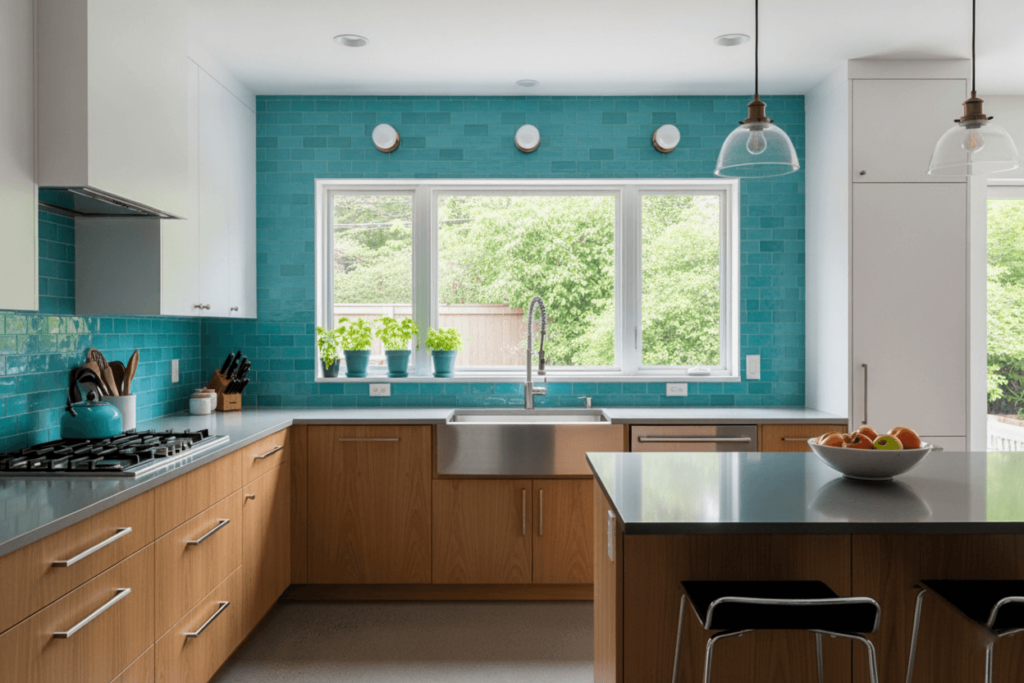
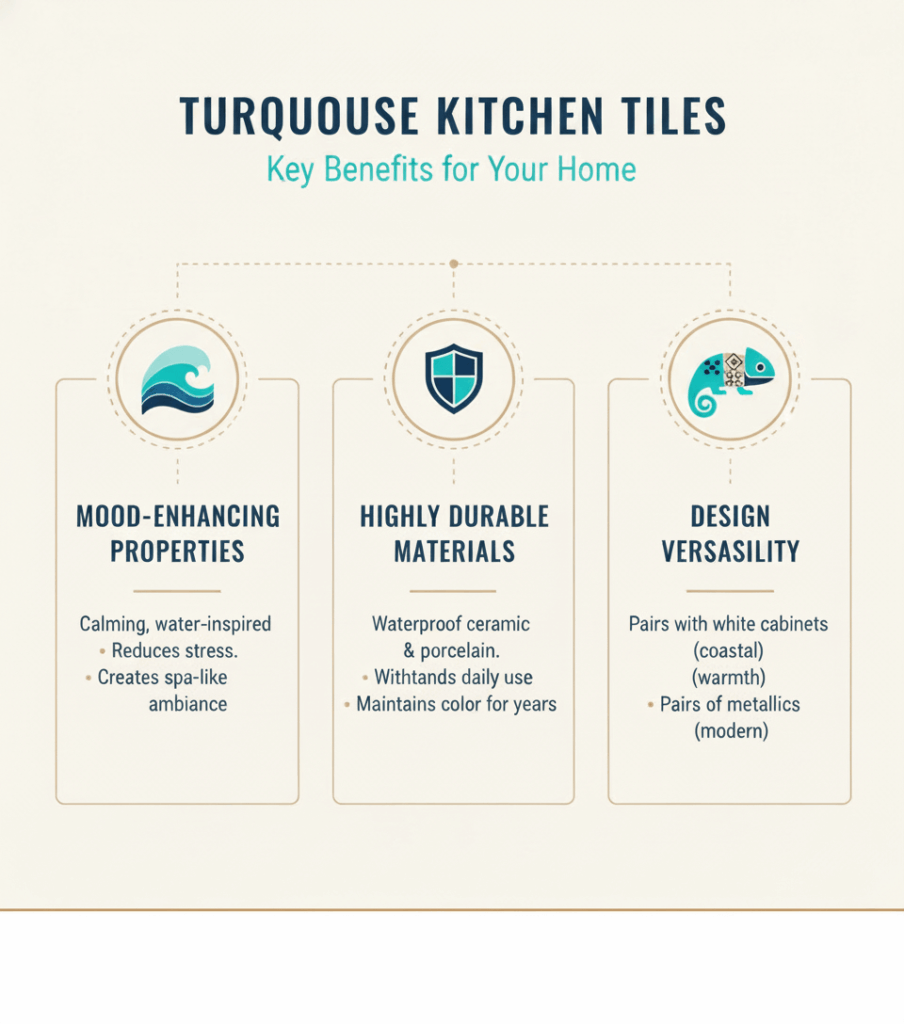
Turquoise kitchen tiles offer homeowners a unique way to infuse personality, tranquility, and coastal charm into their cooking spaces. Whether you’re considering a vibrant backsplash or bold flooring, here’s what makes turquoise tiles special:

  • Calming, spa-like atmosphere – The color evokes water, nature, and serenity
  • Versatile style compatibility – Works with modern, coastal, Mediterranean, and eclectic designs
  • Durable and low-maintenance – Ceramic, porcelain, and glass options are waterproof, stain-resistant, and easy to clean
  • Brightens small spaces – Glossy finishes reflect light, making kitchens feel more spacious and airy
  • Long-lasting color – Quality turquoise tiles retain their vibrant hue even after years of use

The kitchen has evolved from a purely functional space into the hub of the home – a place where we prepare meals, entertain guests, and create memories. According to design research, turquoise tiles bring a resort-like vibe that blends seamlessly into contemporary or classic spaces, while their connection to the ocean creates an immediate sense of calm and freshness.

From sleek subway tiles to intricate mosaics, turquoise offers an incredible range of shades – from pale aqua reminiscent of seaglass to rich, saturated tones that evoke tropical island beaches. Glass mosaic turquoise tiles reflect light beautifully, while matte ceramic options provide a more subdued, sophisticated look. The material you choose matters too: ceramic tiles offer affordability, porcelain provides superior durability, and glass delivers the best visual depth.

I’m Greg Zamarski, owner of Global Stone at 51 Joey Dr, Elk Grove Village, IL 60007, where we specialize in helping homeowners select the perfect turquoise kitchen tiles from our premium European collections. With thousands of square feet of inventory and direct relationships with prestigious Polish manufacturers, we’ve guided countless clients through kitchen changes that balance bold color choices with timeless design principles.

The Allure of Turquoise: Why It’s the Perfect Color for Your Kitchen

The magic of turquoise lies in its connection to nature—the Caribbean Sea, a mountain lake. This is the energy turquoise kitchen tiles bring into your home.

From a color psychology perspective, turquoise promotes calm and emotional balance. Its connection to water and sky creates a relaxed atmosphere, making it a popular choice for kitchen renovations across Illinois.

Imagine your morning coffee surrounded by soothing turquoise. This resort-like vibe transforms your kitchen into a destination where you want to spend time cooking, entertaining, and gathering with family.

Turquoise is also a bold statement of personality. A dramatic backsplash or a full wall of fish scale tiles adds character. It works beautifully in modern kitchens with clean lines and vibrant color, and equally well in coastal-style spaces where the ocean theme feels natural.

For smaller kitchens, glossy turquoise kitchen tiles are a clever design choice. They reflect light, making rooms feel larger, more open, and airy—a practical solution delivering both beauty and functionality.

The versatility of turquoise shines in how it adapts to different aesthetics. It provides a pop of color in contemporary settings, adds freshness to traditional kitchens, and ties together eclectic spaces with its universally appealing presence.

Looking for more ways to incorporate stunning tile designs into your kitchen? Check out our guide on Splash of Style: Backsplash Tile Ideas for Kitchens and Bathrooms for additional inspiration that complements your turquoise vision.

Choosing Your Perfect Turquoise Kitchen Tiles: Materials, Shapes, and Sizes

Selecting the right turquoise kitchen tiles involves more than just falling in love with a color. You’ll need to consider the material, shape, and size that will work best for your space and lifestyle. At Global Stone, we help homeowners balance beauty with the practical demands of a busy kitchen.

The material you choose determines how your tiles will perform. Ceramic offers affordability for backsplashes and walls. Porcelain is the workhorse of kitchen tiles—denser, less porous, and tough enough for high-traffic floors and daily spills. Glass tiles are watertight, stain-resistant, and reflect light in ways that make your kitchen sparkle.

Feature Comparison Table

FeatureCeramic Turquoise TilesPorcelain Turquoise TilesGlass Turquoise Tiles
DurabilityGood for walls, moderate for light-traffic floorsExcellent for floors and walls, highly resistantGood for walls, moderate for light-traffic floors
MaintenanceEasy to clean with mild detergentVery easy to clean, stain-resistantVery easy to clean, watertight, stain-resistant
CostGenerally more affordableMid to high rangeMid to high range
ApplicationBacksplashes, accent walls, light-use floorsBacksplashes, floors, high-traffic areasBacksplashes, accent walls, light reflection
LongevityRetains color well, can chip if not glazed properlyHighly fade-resistant, long-lasting color, very durableHighly fade-resistant, color-stable, watertight

Common Materials Explained

Ceramic tiles are a versatile and affordable option. Easy to clean and available in many shades and finishes, they are ideal for backsplashes and accent walls. For artisan craftsmanship, our Hand-Painted Italian Kitchen Tiles collection showcases ceramic’s artistic potential.

We recommend porcelain tiles when durability is key. Fired at high temperatures, porcelain is dense, moisture-resistant, and perfect for high-traffic floors in busy kitchens across Illinois. The color in porcelain turquoise kitchen tiles stays vibrant for years, resisting fading. It’s ideal for both backsplashes and flooring.

Glass tiles create magic with light. Watertight, stain-resistant, and rarely needing sealant, they are a low-maintenance choice. Sunlight makes glass turquoise tiles shimmer, adding depth and making kitchens feel more spacious. While best for walls, their durability is excellent for backsplashes, offering long-lasting, color-stable beauty.

Popular Shapes and Sizes for Impact

Tile shape and size define your kitchen’s personality. Subway tiles are a timeless favorite, working in any setting. Lay them horizontally for a classic look, vertically for height, or in a herringbone pattern for visual interest. Turquoise subway tiles bridge modern and traditional styles.

Mosaic tiles let you get creative with intricate patterns. These smaller tiles often come on mesh sheets for easier installation and are available in shapes like penny rounds or squares. They excel as backsplashes, bringing an artistic feel to your space.

For something more contemporary, hexagonal tiles offer geometric appeal. Turquoise hexagons create striking patterns that feel both modern and playful. Fish scale tiles (or fan tiles) bring an organic, oceanic vibe that’s perfect for coastal kitchens, creating movement that evokes water.

Large Format Tiles create a sleek, seamless appearance with minimal grout lines. These are increasingly popular for floors and expansive backsplashes, offering a contemporary aesthetic with less maintenance.

Tile finishes are also crucial. Glossy finishes reflect light, making spaces feel brighter and larger. Matte finishes absorb light for a subdued, sophisticated look. Your choice of finish affects how the turquoise tones appear under different lighting.

Designing with Turquoise: Styles, Palettes, and Inspiration

Once you’ve fallen for the charm of turquoise kitchen tiles, the fun part begins: bringing your vision to life. The wonderful thing about this color is how it adapts to almost any design direction. I’ve worked with homeowners across Illinois—from modern lofts in Chicago to family homes in the suburbs—and turquoise always finds a way to shine.

Styling Your Kitchen with Turquoise Kitchen Tiles

The real magic happens when you match turquoise tiles to your personal style. This color excels in many designs, not just beach houses.

In modern kitchens, turquoise is sophisticated and energetic. A bold accent wall of sleek subway tiles or large format panels makes a statement. Glossy turquoise kitchen tiles contrast beautifully with minimalist white cabinets and stainless steel, creating a space that’s both calming and alive.

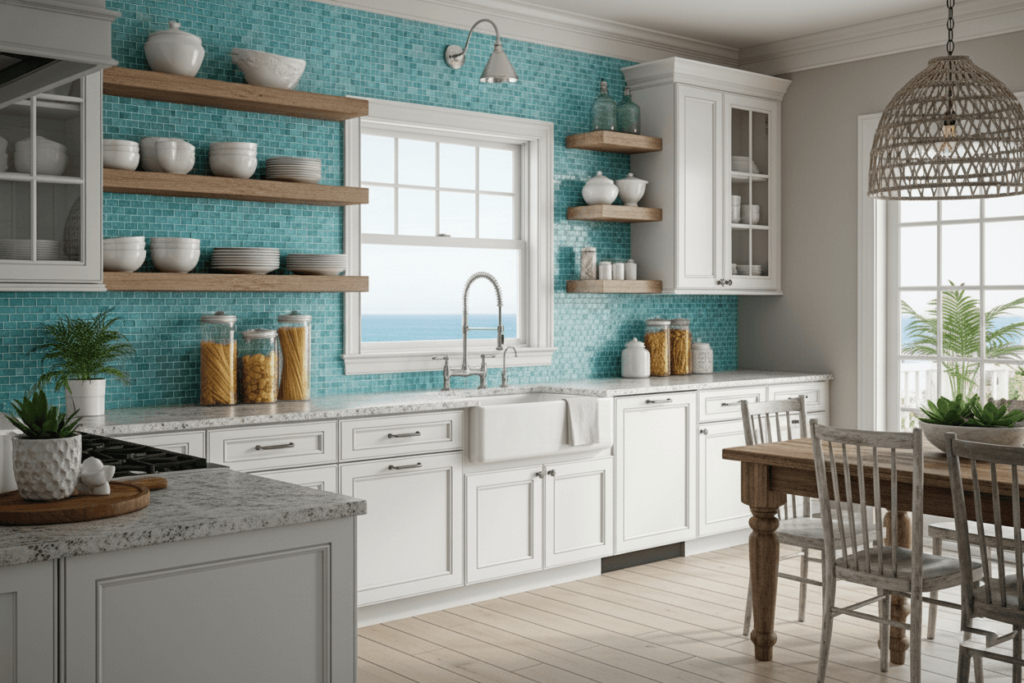
Turquoise is perfect for coastal style. Paired with white shaker cabinets, light wood floors, and a mosaic or fish scale tile backsplash, it creates a seaside retreat. The color mimics ocean waves, bringing a vacation feel to daily cooking.

Traditional kitchens also benefit from turquoise, though the approach is more subtle. Consider muted turquoise ceramic tiles paired with cream cabinetry and marble countertops. Hand-painted tiles with delicate turquoise accents add old-world charm without overwhelming the space.

For eclectic style, turquoise tiles offer creative freedom. Mix them with vintage finds, global patterns, and varied textures. A kitchen with turquoise cabinets and terra-cotta floors, for example, creates a rich, layered look that tells a personal story.

At Global Stone, we specialize in Luxury Kitchen Design and European Kitchen Design, helping clients across Illinois create kitchens that reflect their unique vision.

Perfect Pairings: Colors and Materials to Complement Turquoise

Crisp whites are a popular pairing. White cabinets and countertops create a bright, airy backdrop that lets the turquoise shine. This combination evokes a fresh, timeless Hamptons-inspired look, making the backsplash the star.

Warm wood tones balance turquoise’s cool nature. Light oak cabinets, butcher block countertops, or wooden shelving add earthy warmth. This pairing creates a welcoming, lived-in atmosphere, making the kitchen feel like the heart of the home.

For sophistication, metallics like brass and copper deliver stunning results. Brushed brass hardware or copper pendant lights add a luxurious shimmer that complements turquoise beautifully, making both elements pop.

An unexpected but gorgeous pairing is terra-cotta. This combination works well for Mediterranean or rustic designs. Terra-cotta floor tiles bring an earthy quality that grounds the coolness of turquoise walls, creating a space with timeless character.

For additional inspiration on combining tiles and colors effectively, explore our guide on Tile Pairing Ideas for Kitchens. We’re always happy to help you visualize these combinations in our showroom with actual tile samples and material swatches.

The Practical Side: Installation, Maintenance, and Cost

Let’s talk about the real-world aspects of bringing turquoise kitchen tiles into your home. Beyond their appearance, you need to know how they’ll perform, what it takes to keep them looking beautiful, and what your investment will look like. At Global Stone, we’ve guided countless homeowners across Illinois through these practical considerations.

Practical Tips for Installing and Maintaining Turquoise Kitchen Tiles

The longevity of your turquoise kitchen tiles depends on proper installation and maintenance. The good news? These tiles are remarkably practical for busy kitchens.

Grout color is a key detail. White or light gray grout creates a seamless look that lets your turquoise tiles take center stage. We often recommend products like Bostik Dimensions Diamond grout or Laticrete Permacolor White. For a bolder, graphic effect, a contrasting grout color can highlight each tile’s shape. While glass and porcelain tiles are non-porous, your grout lines typically need sealing to protect against moisture and stains.

Maintaining your tiles is refreshingly straightforward. Turquoise tiles are waterproof and designed for kitchen life. For daily cleaning, a soft cloth with mild detergent is all you need. Glass turquoise tiles are particularly stain-resistant, so splatters won’t leave lasting marks. Avoid harsh abrasives or acidic cleaners, especially on glossy surfaces, as these can scratch the finish. Stick with gentle, pH-neutral solutions, and your tiles will maintain their beauty for years.

For comprehensive support, we offer full Kitchen Renovation services, ensuring your tiles are installed with the precision they deserve.

Understanding the Cost of Turquoise Tiles

We believe in transparency when it comes to pricing. The cost of turquoise kitchen tiles varies, and understanding what drives these differences helps you make informed decisions.

Material choice is a major cost factor. Ceramic tiles are generally the most affordable, while porcelain and glass are in the mid to high range due to their durability and complex manufacturing. Natural stone with turquoise hues will be at the higher end.

Size and shape also matter. Intricate mosaic tiles can carry a higher price per square foot. Large format tiles also command premium pricing due to specialized manufacturing and installation. Unique shapes like fish scales or arabesque patterns typically cost more than standard tiles, but the visual impact often justifies the investment.

The distinction between handcrafted and machine-made tiles is another pricing consideration. Handcrafted tiles reflect an artistic, labor-intensive process. Machine-made tiles offer excellent quality with more uniformity and economical pricing.

Premium European tiles—our specialty at Global Stone—often represent superior quality, innovative design, and exceptional durability. This heritage is reflected in the pricing but also in how the tiles perform over time.

Don’t forget to factor in installation costs, which vary based on pattern complexity and material. Our expert installation ensures a flawless finish that protects your investment. Individual turquoise kitchen tiles start from just a few dollars and range higher for specialty selections. We invite you to visit our showroom at 51 Joey Dr, Elk Grove Village, IL 60007, to see our collection and discuss pricing with our team.

Frequently Asked Questions about Turquoise Kitchen Tiles

Over the years at Global Stone, we’ve helped countless homeowners bring their kitchen visions to life with turquoise kitchen tiles. Along the way, we’ve noticed the same thoughtful questions coming up. Let me share the answers that have helped our clients feel confident.

What grout color works best with turquoise tiles?

Grout is a detail that can make or break your installation. For most kitchens, the safest bet is white grout or light gray grout. These neutral colors create a clean backdrop that lets your beautiful turquoise tiles take center stage.

We love recommending products like Bostik Dimensions Diamond grout in white or Laticrete Permacolor White, which hold up beautifully in busy kitchens. The subtle contrast defines each tile’s shape while keeping the look cohesive.

That said, if you’re feeling adventurous, a contrasting grout in deep blue or a metallic shade can create a wow factor. On the flip side, matching grout that blends with the turquoise creates a sleek, monochromatic effect. The question to ask is: do you want your individual tiles to stand out or blend together? Your answer will guide your choice.

Do turquoise tiles go out of style?

I get asked this question often. The good news? Turquoise kitchen tiles have remarkable staying power. Colors that mimic nature—like the blues of the ocean and greens of tropical waters—have what designers call timeless appeal. They transcend fleeting trends because they are hardwired into our brains as calming and beautiful.

The secret to styling turquoise for longevity is choosing classic shapes like subway tiles or simple mosaics and pairing them with timeless elements. White cabinets, natural wood, and brushed metal fixtures will look just as good in twenty years as they do today. Your turquoise backsplash becomes a character-adding accent.

There’s also a practical side: quality porcelain and glass turquoise kitchen tiles are fade-resistant. They’ll keep their vibrant color for years. That durability means your kitchen will continue to shine.

How do you clean turquoise glass tiles?

Cleaning turquoise kitchen tiles, especially glass ones, is refreshingly simple. Glass is naturally watertight, highly stain-resistant, and doesn’t usually need sealing, which makes your life easier.

For everyday cleaning, all you need is mild detergent (like gentle dish soap) mixed with warm water. Apply it with a soft cloth or microfiber towel—anything that won’t scratch the surface. Avoid abrasive scouring pads or stiff brushes that could dull the glossy finish.

Steer clear of harsh chemical cleaners and acidic solutions. Stick with pH-neutral cleaners designed for tile and glass.

After wiping down your tiles, rinse with a clean, damp cloth to remove soap residue. Then, buff them dry with a clean cloth to prevent water spots and keep your turquoise kitchen tiles looking pristine.

Conclusion

Choosing turquoise kitchen tiles for your home is more than just picking a pretty color—it’s about creating a space that feels like your personal sanctuary. Throughout this guide, we’ve seen how turquoise brings that wonderful calming, resort-like atmosphere into your kitchen while delivering the durability and practicality you need for daily life.

The beauty of turquoise lies in its incredible versatility. Whether you’re drawn to sleek modern aesthetics, breezy coastal vibes, timeless traditional elegance, or bold eclectic expressions, turquoise kitchen tiles adapt beautifully to your vision. Pair them with crisp white cabinetry for a fresh Hamptons feel, combine them with warm wood tones for an inviting natural look, or accent with brass and copper fixtures for sophisticated luxury—the possibilities truly reflect your unique personality.

We’ve also covered the practical side that matters just as much as beauty: selecting the right material (ceramic for affordability, porcelain for superior durability, or glass for stunning light reflection), choosing grout colors that improve your design, and understanding maintenance that keeps your tiles looking vibrant for years.

At Global Stone, we’ve built our reputation on helping homeowners throughout Illinois—including Elk Grove Village, Chicago, and surrounding suburbs—find exactly the right tiles for their dream kitchens. Our showroom features thousands of square feet of premium European tiles, including an extensive collection of turquoise kitchen tiles in every shade, material, and style you can imagine. Our direct relationships with prestigious European manufacturers mean you’re getting exceptional quality and unique design options you won’t find everywhere.

What really sets us apart is our commitment to guiding you through every step of the process. From selecting the perfect shade of turquoise to coordinating complementary materials, from understanding installation requirements to planning your complete kitchen change—we’re here to make your vision a reality. Our expertise in Kitchen Tile Design means you’ll benefit from years of experience helping clients create kitchens that are both stunning and supremely functional.

Ready to transform your kitchen with the refreshing beauty of turquoise? Visit our showroom at 51 Joey Dr, Elk Grove Village, IL 60007, to see these gorgeous tiles in person, feel their textures, and envision how they’ll look in your home. Let’s work together to create a kitchen that brings you joy every single day.