
Coping with Style: Best 400mm Stones for Your Project
What Are 400mm Coping Stones — and Which Should You Choose?
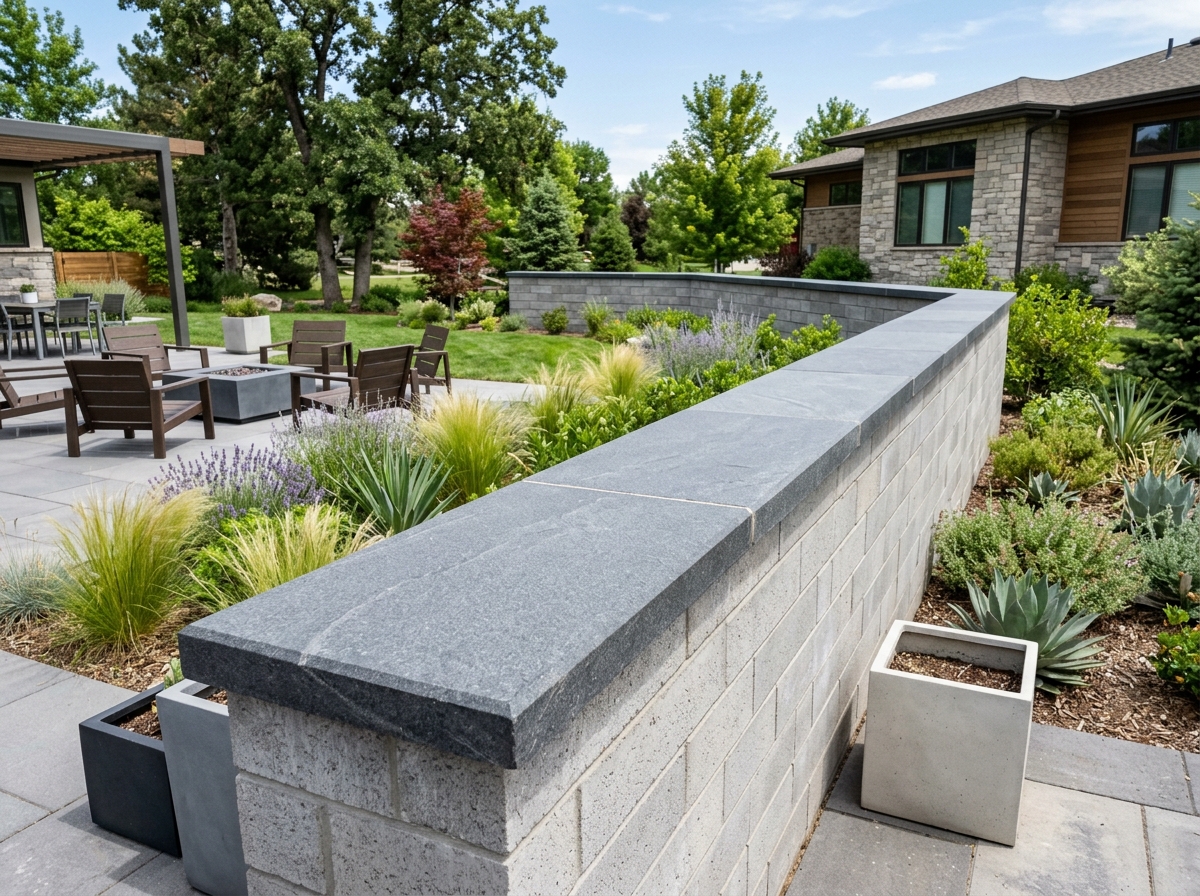
400mm coping stones are flat or profiled slabs placed on top of walls to protect them from rain, frost, and long-term moisture damage. They also give any wall a clean, finished look.
Here’s a quick overview of the main options available:
| Type | Material | Best For |
|---|---|---|
| Flat top | Concrete, porcelain, sandstone | Modern walls, railings, seating |
| Once weathered | Concrete, cast stone | Garden walls, boundary walls |
| Apex (twice weathered) | Dry cast stone, concrete | Parapet walls, heavy rainfall areas |
| XL slab (1200 x 400mm) | Sandstone, limestone | Large walls, steps, raised beds |
- Concrete coping stones are affordable and widely available, but heavier (up to 45kg per stone)
- Porcelain stones are lightweight (~10.7kg), non-porous, and frost resistant
- Natural stone (sandstone, limestone) offers a timeless finish with hand-dressed edges
The right choice depends on your wall width, aesthetic preference, and how much maintenance you want to do long-term.
Below, we compare the most popular 400mm coping stone options across profiles, materials, specs, and installation requirements — so you can pick the best fit for your project.
Understanding 400mm Coping Stones and Their Profiles
When we talk about 400mm coping stones, we are referring to the width of the stone. This size is specifically engineered for walls that are approximately 300mm to 350mm wide, allowing for a necessary overhang on both sides. The “profile” refers to the shape of the top surface, and choosing the right one is about more than just looks — it’s about how water behaves when it hits your wall.

Wall Capping and Rainwater Diversion
The primary job of a coping stone is “capping.” Without it, rainwater would soak into the top of your masonry, leading to the dreaded freeze-thaw cycle where water expands as it freezes, cracking your bricks or stones from the inside out. By using 400mm coping stones, you create a physical barrier that sheds water away from the vertical face of the wall.
The Four Main Profiles
- Flat Top: These stones have a level surface. They are incredibly popular for modern, minimalist garden designs. Because they are flat, they are the best choice if you plan to install railings on top of the wall or if the wall is at a height where people might sit.
- Once Weathered: These stones slope in a single direction. This is ideal for boundary walls where you want the water to run off specifically into your garden rather than onto a neighbor’s driveway or a public sidewalk.
- Apex (Twice Weathered): These stones feature a high point in the center and slope down to both edges. They are the “heavy hitters” of water diversion, ensuring rain runs off both sides equally.
- Moulded and Regency Designs: For those seeking a more traditional or ornate look, moulded designs feature decorative edges. The “Regency” style often incorporates a sandy texture and tiered edges that complement period properties in the Chicago area.
Choosing the Right Profile for 400mm Coping Stones
Your choice should be dictated by the wall’s function. Are you building a parapet wall for a flat roof? A once-weathered stone is often required to direct water toward internal drainage. Is it a garden boundary? An apex stone provides a classic look and maximum protection.
If you’re integrating railings, look for “moulded apex” stones with specific “flat spots.” These are manufactured with level sections specifically designed to provide a stable base for railing posts, preventing the need for awkward on-site grinding.
Material Comparison: Porcelain vs. Concrete vs. Natural Stone
Material choice impacts everything from the initial cost to how many decades the wall will last. At Global Stone Inc., we see a wide variety of preferences, but here is how the three main contenders stack up.
| Feature | Porcelain | Concrete (Wet/Dry Cast) | Natural Stone (Sandstone/Limestone) |
|---|---|---|---|
| Weight | ~10.7kg (Light) | 26kg – 45kg (Heavy) | ~35kg – 40kg (Medium-Heavy) |
| Thickness | 20mm | 50mm – 90mm | 40mm – 50mm |
| Porosity | Non-porous (<0.05%) | Porous (Requires sealing) | Semi-porous (Natural) |
| Maintenance | Very Low | Moderate | Moderate (Requires sealing) |
Concrete and Dry Cast Stone
Concrete is the traditional workhorse. High-strength concrete (often using 52.5N cement) is incredibly durable. You can find these in “through-color” variants, meaning if the stone gets chipped, the color is the same all the way through. Dry cast stone offers a more open, sandy texture that mimics the look of aged natural stone but at a more predictable price point.
Porcelain Durability
Porcelain has taken the market by storm. Because it is fired at incredibly high temperatures, it is essentially a glass-like ceramic that is completely frost-proof. It won’t absorb water, which means it won’t harbor algae or moss. For a sleek, modern look in a Chicago backyard, it’s hard to beat.
Natural Stone Versatility
Natural stone brings a unique character that manufactured products can’t perfectly replicate. Whether it’s the earthy tones of sandstone or the sophisticated dark hues of Limestone Countertop materials, natural stone provides a “riven” (textured) finish that feels organic.
Benefits of Natural Stone 400mm Coping Stones
There is a certain prestige to using Natural Stone Countertops and wall copings.
- Fossil Mint Sandstone: Known for its bright, buff tones and occasional fossil-like markings.
- Raj Green Sandstone: Offers a blend of green, grey, and brown tones that blend seamlessly into most landscapes.
- Black Limestone: Provides a sleek, dark finish that looks stunning when wet, though it often requires sealing to maintain its deep color.
- Hand-Dressed Edges: Unlike the sharp, machine-cut edges of porcelain, natural stone often features hand-dressed (chiseled) edges that add a rustic, artisanal feel to the project.
Technical Specifications and Installation Essentials
Installing 400mm coping stones isn’t just about “slapping them on.” It requires precision to ensure the wall stays dry for the next 50 years.
The 30mm Overhang Rule
One of the most critical specifications is the overhang. For a drip groove (a small channel cut into the underside of the stone) to work, the stone must hang over the edge of the wall by at least 30mm on each side. If the stone is flush with the wall, water will simply track back along the underside and soak into the brickwork, defeating the purpose of the coping entirely.
Dimensions and Weight
Standard 400mm coping stones usually come in lengths of 600mm. However, for larger projects, “XL” slabs are available at 1200mm in length. While longer slabs mean fewer mortar joints (which are the weak points for water ingress), they are significantly heavier. A 1200mm sandstone slab can weigh upwards of 40kg, requiring two people for safe installation.
Mortar and Priming
At Global Stone Inc., we emphasize the importance of professional installation Services. For porcelain and natural stone, a standard mortar mix often isn’t enough. We recommend using a slurry primer on the underside of the stone. This creates a chemical bond between the non-porous stone and the mortar bed, ensuring the stones don’t “rock” or become loose over time.
Compliance Standards
When sourcing stones, look for compliance with BS 1217:2008 (for cast stone) or equivalent standards for compressive strength. This ensures the stone can withstand the weight of railings or the occasional person sitting on it without cracking.
Frequently Asked Questions about 400mm Coping Stones
What is the ideal overhang for a 400mm wall?
While 30mm is the standard recommendation, the “ideal” depends on the exposure of the wall. In areas with high wind and driving rain (common in the Chicago area), a slightly larger overhang of 40mm to 50mm can provide extra protection. This ensures that even when the wind is blowing, the water “drips” off the stone rather than being blown back onto the wall face.
How do I maintain natural stone coping?
Natural stone is beautiful but porous. To prevent staining and algae growth, we recommend sealing the stones shortly after installation. Use a pH-neutral cleaner for regular maintenance. Avoid high-pressure power washing at close range, as this can strip the natural “binders” in stones like sandstone or damage the delicate veining found in Marble Countertops and similar materials.
Can 400mm stones be used for steps or seating?
Absolutely! In fact, the XL 1200x400mm slabs are frequently used for step treads. Their depth (400mm) is perfect for a comfortable foot placement. If you are using them for seating or steps, we recommend a flat profile with a riven finish to provide natural slip resistance. Ensure the edges are “bullnosed” or slightly rounded for comfort and safety.
Conclusion
Choosing the right 400mm coping stones is the final “crown” for your masonry project. Whether you opt for the ultra-low maintenance of porcelain, the heavy-duty reliability of concrete, or the timeless elegance of natural stone, the key lies in the details—the overhang, the drip grooves, and the quality of the installation.
At Global Stone Inc., we bring over 20 years of experience to every project. From our facility in Elk Grove Village, we serve the entire Chicago, Naperville, and surrounding areas with expert fabrication and design. If you’re looking to finish your outdoor space with the same quality you’d expect from your indoor Natural Stone Countertops, we are here to help.
Ready to cap off your project with style? Explore our Natural Stone Countertops and outdoor stone solutions today to find the perfect match for your home.