
The Ultimate Guide to Cleaning Natural Stone Kitchen Wall Tiles
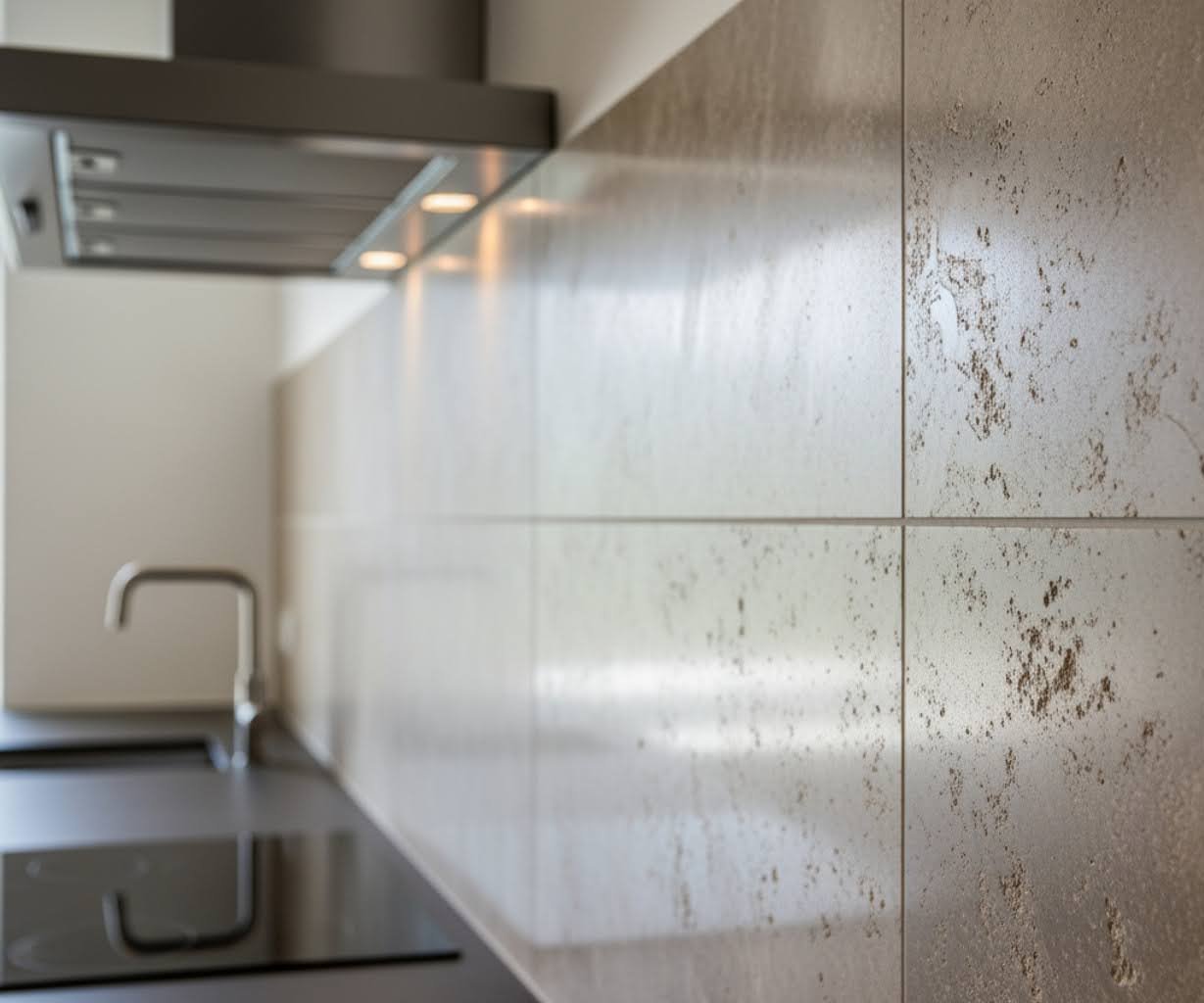
Why Natural Stone Kitchen Wall Tiles Deserve Special Care

How to clean natural stone kitchen wall tiles properly requires pH-neutral cleaners, microfiber cloths, and immediate spill response. Here’s the quick approach:
Daily: Wipe tiles with a damp microfiber cloth and pH-neutral stone cleaner
Weekly: Deep clean with warm water and stone-specific cleaner, working top to bottom
Monthly: Check grout lines and clean with baking soda paste if needed
Annually: Reseal tiles to protect against stains and moisture damage
Never use: Vinegar, lemon juice, bleach, or abrasive cleaners on natural stone
There’s nothing more beautiful than the permanence of natural stone. With the right care and regular maintenance, your stone can last a lifetime. But natural stone is fundamentally different from porcelain or ceramic tiles. It’s porous, it’s sensitive to acids, and it can absorb bacteria, dirt, and liquids if not properly maintained.
Many homeowners invest thousands of dollars in stunning marble, granite, or travertine backsplashes, only to accidentally damage them with the wrong cleaning products. Acidic substances like orange juice, coffee, vinegar, wine, and even common household cleaners can permanently etch marble and limestone surfaces. What looks like a simple cleaning routine can actually strip away protective sealers or create dull spots on polished finishes.
The good news? Cleaning natural stone kitchen wall tiles doesn’t have to be complicated. It just requires understanding what your specific stone needs and avoiding a few common mistakes.
I’m Greg Zamarski, owner of Global Stone in Chicago, IL, where we specialize in premium European natural stone tiles and help homeowners preserve their beauty. Through years of guiding clients on how to clean natural stone kitchen wall tiles and maintain their investments, I’ve learned that proper care starts with the right knowledge.

Simple guide to how to clean natural stone kitchen wall tiles:
- Kitchen backsplash design
- Premium kitchen design
Understanding Your Natural Stone: Types and Specific Needs
Natural stone, whether it graces your floors or, in this case, your kitchen walls, is a product of nature. This means it comes with inherent characteristics that differentiate it significantly from manufactured tiles like porcelain or ceramic. Its beauty lies in its unique patterns and textures, but its challenge lies in its porous nature. Natural stone is a porous material that can absorb bacteria, dirt, liquids, and all sorts of other grime. All stone tiles are naturally porous to varying degrees and will require particular levels of treatment to improve stain resistance and withstand the demands of modern-day living.
Another critical factor is acid sensitivity. Different types of natural stone react differently to acidic substances, which is especially important in a kitchen environment where spills are common. Understanding your specific stone type is the first step in mastering how to clean natural stone kitchen wall tiles effectively and safely.

Calcium-Based Stones (Marble, Limestone, Travertine)
These stones are primarily composed of calcium carbonate and calcite, making them particularly vulnerable to acids. If you have marble, limestone, or travertine kitchen wall tiles, you need to be extra cautious. Acidic substances such as orange juice, coffee, vinegar, wine, tomato products, mustard, and many soft drinks will “etch” most marble, limestone, and travertine. Etching isn’t a stain; it’s a chemical reaction that literally eats away at the stone’s surface, creating dull spots that are difficult to remove without professional intervention.
Due to their higher porosity, these stones also require frequent sealing to prevent moisture from penetrating their small pores and causing stains. When cleaning, it’s imperative to use only pH-neutral cleaners specifically designed for natural stone. Never use vinegar, lemon juice, or other cleaners containing acids.
Siliceous Stones (Granite, Slate, Quartzite)
In contrast to calcium-based stones, siliceous stones like granite, slate, and quartzite are more durable and generally less porous. Granite tiles and slate tiles can be sealed after laying as they are very dense materials that do not stain easily. While they offer better resistance to acids, they are not entirely immune to damage, especially from prolonged exposure to highly acidic substances.
Sealing is still strongly recommended for these stones, particularly in a kitchen environment, to provide maximum stain protection against oil and food spills. A good sealer will help repel liquids and make cleaning much easier, preserving the stone’s beauty for years to come.
Textured vs. Polished Finishes
The finish of your natural stone kitchen wall tiles also plays a role in their cleaning needs.
Polished Finish: A polished surface is smooth and reflective, offering a luxurious look. However, it’s more prone to showing damage like etching and water spots. When cleaning polished stone, we use soft cloths to avoid scratching the shiny veneer. If a poultice dulls polished stone, we can use a stone polish to restore shine.
Textured Finish: Textured stones, such as honed, tumbled, or split-face varieties, have a more rustic or matte appearance. While they might hide minor imperfections better, their uneven surfaces can trap dirt and grease more easily. Cleaning rags and paper towels often catch and snag on the rough stone of slate and quartzite backsplashes. For these, we recommend using a non-abrasive scrub pad or a soft-bristle brush to loosen dirt without scratching or leaving fibers behind.
The Essential Toolkit: Safe Products and Supplies
To properly clean natural stone kitchen wall tiles, having the right tools and products is half the battle. This isn’t a job for your all-purpose household cleaner. Natural stone demands a specialized approach to maintain its integrity and beauty.

Recommended Cleaning Solutions
The golden rule for natural stone is pH-neutral. General cleaners not specifically designed for natural stone may etch polish, discolor, scratch, or degrade the sealer.
- pH-Neutral Stone Cleaner: This is your primary weapon. These cleaners are concentrated, pH-neutral, and specifically formulated for stone.
- Mild Dish Soap: For routine, light cleaning, a few drops mixed with warm water can be effective.
- Warm Water: Often enough for daily wipe-downs.
- Baking Soda Poultice: For stubborn stains.
Essential Cleaning Tools
- Microfiber cloths
- Non-abrasive sponges or soft-bristle brushes
- Spray bottle
- Small bucket
What to Avoid at All Costs
- Vinegar, lemon juice, or acidic cleaners
- Ammonia-based cleaners
- Bleach
- Abrasive powders or scouring creams
- Harsh grout cleaners
Your Step-by-Step Guide on How to Clean Natural Stone Kitchen Wall Tiles
Daily and Weekly Cleaning Routine
Daily Wipe-Down: Wipe tiles with a damp microfiber cloth.
Immediate Drying: Dry immediately to prevent water spots.
Weekly Clean: Use diluted pH-neutral cleaner, rinse, and dry thoroughly.
How to Clean Natural Stone Kitchen Wall Tiles for a Deeper Clean
- Prepare solution
- Apply to tiles top to bottom
- Gentle scrub
- Rinse thoroughly
- Buff dry
Tackling Common Kitchen Stains
- Blot, don’t wipe
- Use poultice for oil stains
- Etching requires professional restoration
How to Clean the Grout Between Natural Stone Kitchen Wall Tiles
- Avoid acidic cleaners
- Use baking soda-based paste
- Scrub gently
- Rinse and dry
- Seal grout if needed
Long-Term Care: Sealing, Polishing, and Restoration
The Importance of Sealing Your Stone Tiles
- Perform water bead test
- Seal annually (or every 6 months for porous stone)
How to Apply a Stone Sealer
- Clean and dry
- Apply penetrating sealer
- Wipe excess
- Allow curing time
Restoring Shine and Addressing Minor Damage
- Use stone polish for dull surfaces
- Professional services for deep scratches or etching
Frequently Asked Questions about Cleaning Stone Tiles
We often get questions from our clients in Chicago, IL about the best practices for their natural stone.
Can I use vinegar to clean my granite wall tiles?
Absolutely not.
How often should I seal my natural stone kitchen backsplash?
At least once a year.
What’s the best way to remove cooking oil splatters?
Blot immediately, then use a poultice if needed.
Conclusion
Mastering how to clean natural stone kitchen wall tiles is all about understanding the unique characteristics of your stone, using the right pH-neutral products, and being consistent with your maintenance.
At Global Stone, we’re passionate about helping our clients in Chicago, IL create and maintain stunning spaces. We offer a vast selection of premium European tiles perfect for any European Kitchen Design.
Ready to transform your kitchen with the timeless elegance of natural stone? Explore our stunning Kitchen Tile Design options and find the perfect fit for your home.