
Soapstone Countertops 101: Material Comparison
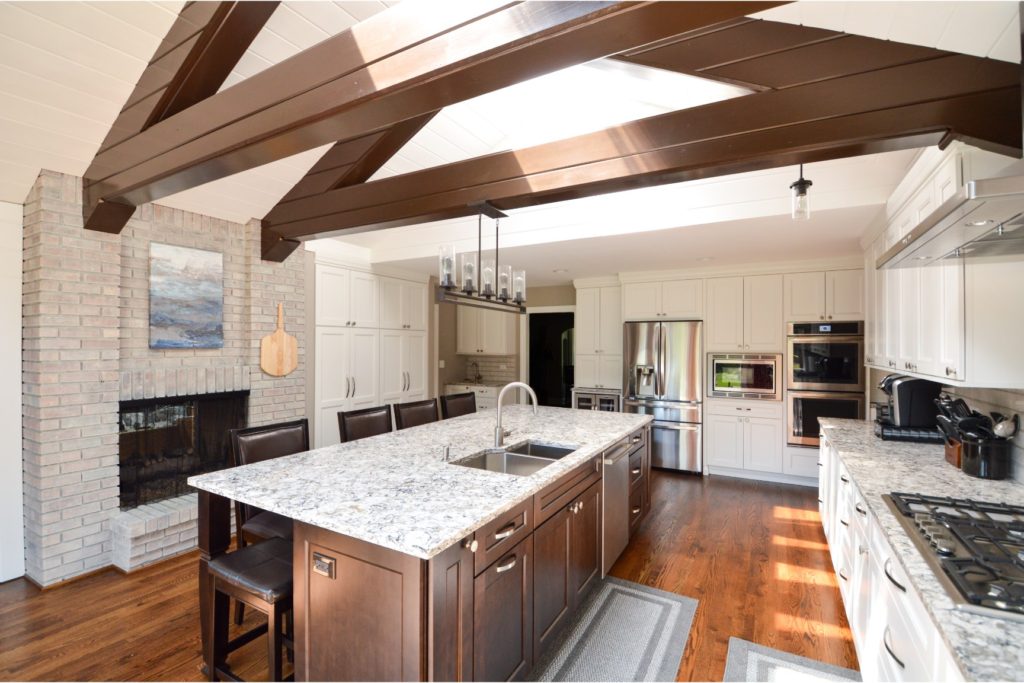
What Every Homeowner Should Know Before Choosing Countertop Soapstone
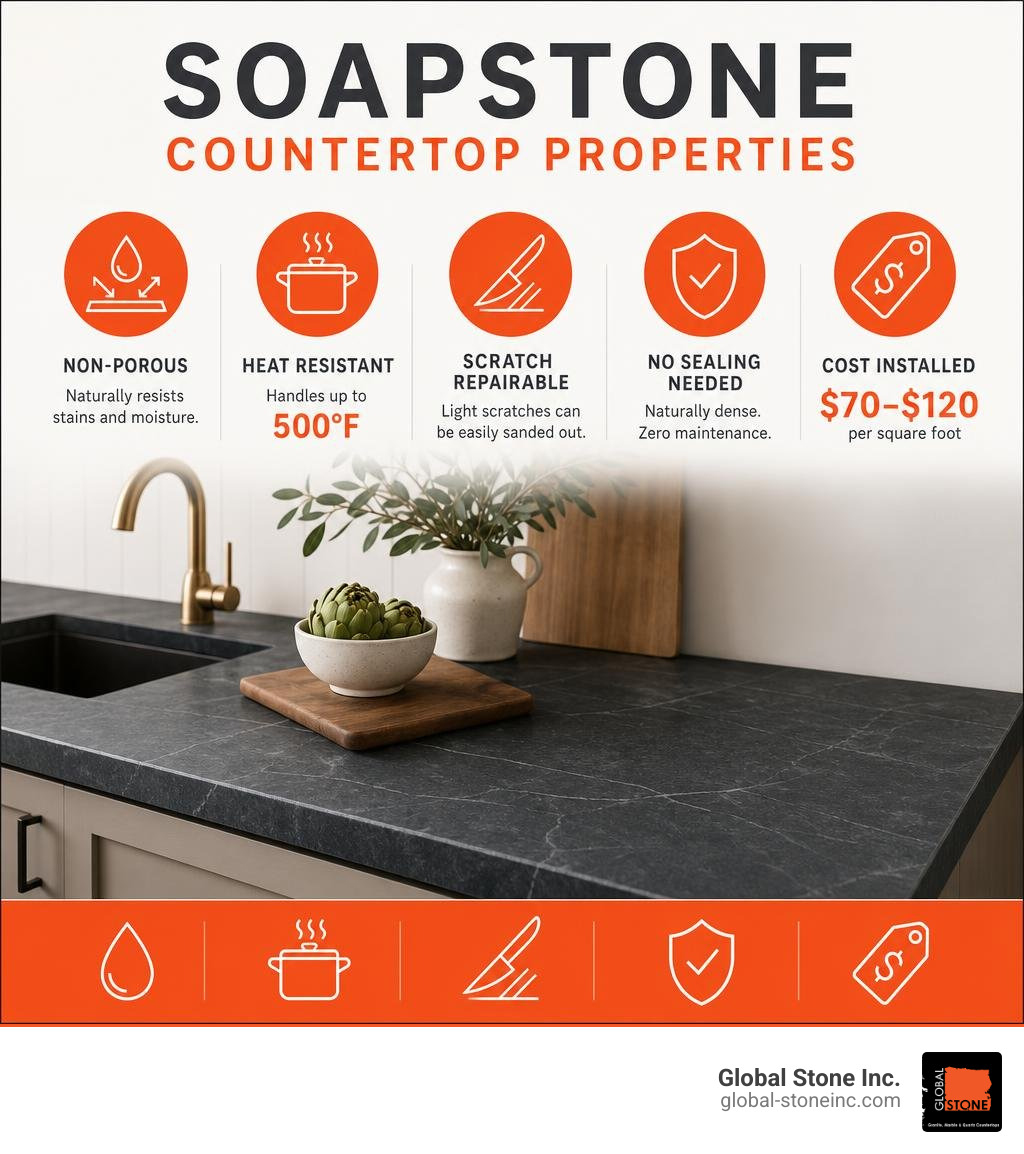
Countertop soapstone is a natural metamorphic rock that offers a rare combination of heat resistance, stain resistance, and low maintenance — without ever needing to be sealed.
Quick facts about soapstone countertops:
| Feature | Soapstone |
|---|---|
| Sealing required | No — naturally non-porous |
| Heat resistance | Yes — handles 500°F pots directly |
| Scratch resistance | Moderate — scratches are easy to repair |
| Color range | Gray, charcoal, and soft green tones |
| Cost installed | $70–$120 per square foot |
| Lifespan | Decades to centuries with basic care |
| Maintenance | Soap and water daily; optional mineral oil |
Soapstone has been used in American kitchens since the 1800s. Original soapstone sinks and countertops from that era are still in use in historic homes today — that kind of longevity is almost impossible to find in any other countertop material.
What makes it different from granite, quartz, or marble isn’t just how it looks. It’s how it behaves over time. Soapstone develops a rich, deepening patina with age — similar to well-worn leather — giving it a character that most surfaces simply can’t replicate.
This guide covers everything you need to make a confident decision: what soapstone is, how it compares to other materials, what maintenance actually looks like, and what it costs.
I’m Greg Zamarski, and at Global Stone Inc. we’ve been fabricating and installing countertop soapstone in the Chicago area for over 20 years. That hands-on experience shapes every recommendation in this guide.
What is Countertop Soapstone?
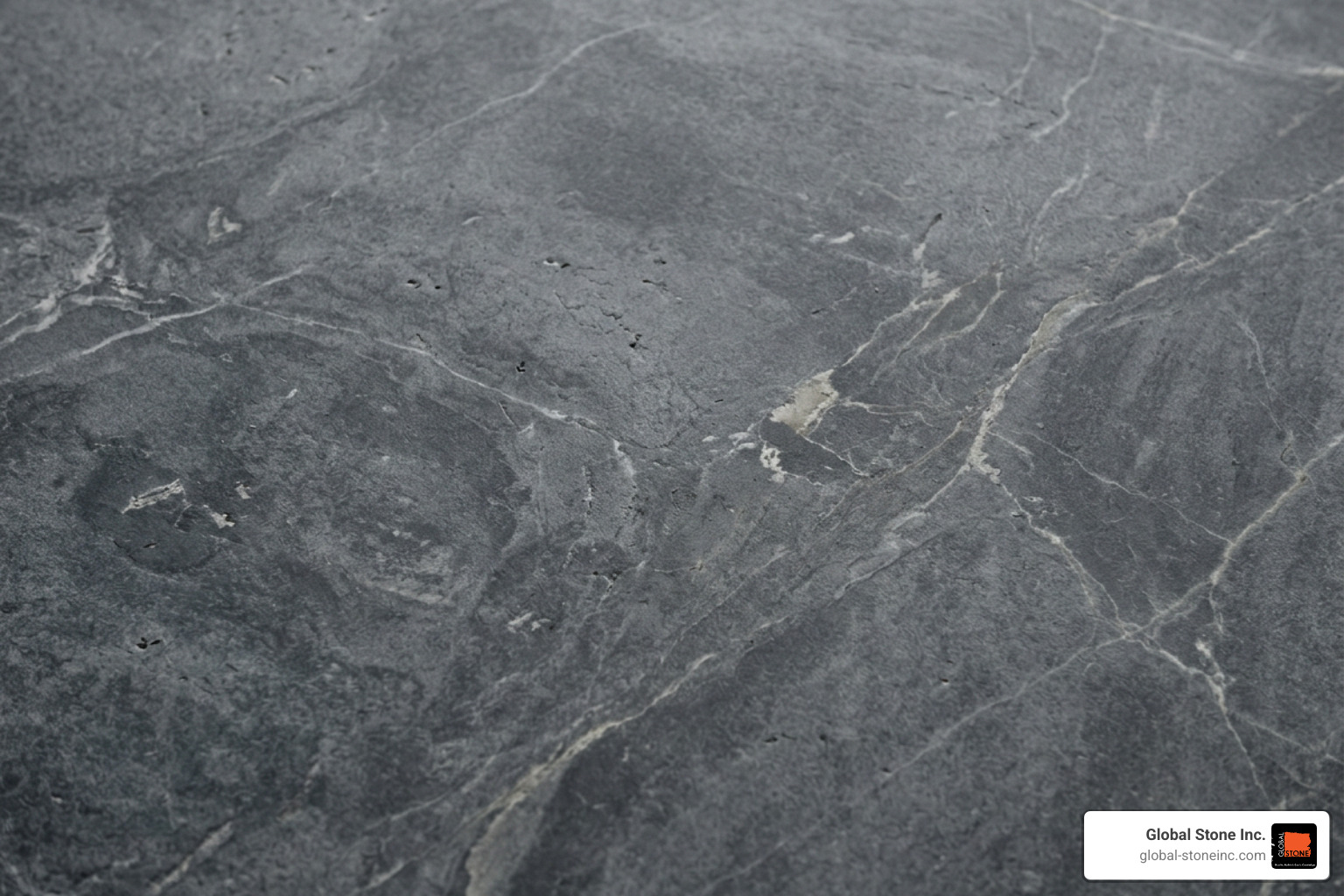
When you first touch a slab of finished countertop soapstone, the first thing you notice is the texture. Unlike the cold, glassy polish of granite or the engineered uniformity of quartz, soapstone has a soft, velvety, almost warm feel. If you get it wet, it genuinely feels like a bar of dry soap—which is exactly how this incredible natural stone got its name.
But don’t let that soft texture fool you. Soapstone is one of the most resilient, heavy-duty natural stones on the planet. It has been used for centuries in the most demanding environments imaginable, from chemistry laboratory benchtops at universities like Harvard and MIT to industrial wood-burning stoves and metal-smelting barriers.
To understand why it performs so well in a busy home, we have to look at what it is made of and how it is graded.
Geological Composition and Origins
Soapstone is a metamorphic rock formed deep within the earth’s crust under immense heat and pressure. Its primary ingredients are talc and magnesite. The ratio of these minerals determines how the stone can be used:
- Artistic Grade: This variety contains a very high concentration of talc (often up to 80%). It is incredibly soft, easily carved with basic hand tools, and is primarily used for sculptures and decorative items.
- Architectural Grade: This is the stone we use for countertops, sinks, and fireplace surrounds. It typically contains between 30% and 50% talc, with the remainder composed of magnesite and other hard minerals. This balance gives the stone enough structural strength to handle daily kitchen wear while retaining its signature silky texture.
Most architectural-grade soapstone installed in Chicago homes today is sourced from premium quarries in Brazil (where it is traditionally known as pedra-sabão) and India, though historic quarries in Virginia and Vermont have also supplied the American market for generations.
Colors, Veining, and Finishes
Because soapstone is 100% natural, its color palette is entirely dictated by Mother Nature. You won’t find the bright whites of marble or the vivid, artificially dyed colors of engineered quartz. Instead, soapstone offers a sophisticated, earthy spectrum:
- Light Gray and Charcoal: The classic soapstone look. Untreated slabs start as a soft, powdery gray and naturally darken to a deep, dramatic charcoal over time.
- Soft Green: Slabs with higher chlorite content display stunning sage, olive, or forest green undertones, offering a warmer, more rustic alternative to dark gray.
- Blue-Grey: Some rare slabs feature subtle blue-grey hues that look incredibly striking under natural kitchen lighting.
The veining in soapstone is equally unique. Some slabs are relatively uniform with minimal movement, while others are dramatic masterpieces crossed by bold, sweeping veins of white quartz or green magnesite.
Unlike other stones that are typically polished to a high-gloss shine, soapstone is almost always finished with a honed finish. This matte treatment preserves the stone’s velvety texture and allows its natural colors to shine. If you want to dive deeper into how these patterns develop, read our detailed guide on From Slabs to Veining: Why Black Soapstone is a Timeless Choice.
Soapstone vs. Granite, Quartz, and Marble
Choosing the right kitchen surface can feel like a balancing act between style, durability, and budget. To help you see how countertop soapstone stacks up against the most popular alternatives, we’ve put together this quick comparison table:
| Material | Porosity (Stain Resistance) | Heat Resistance | Scratch Resistance | Maintenance Level | Est. Cost Installed (per sq. ft.) |
|---|---|---|---|---|---|
| Soapstone | Non-Porous (Excellent) | Exceptional (500°F+) | Moderate (Can scratch) | Low (Optional oiling) | $70 – $120 |
| Granite | Porous (Requires sealing) | High (Up to 350°F) | Excellent | Medium (Annual sealing) | $40 – $100 |
| Quartz | Non-Porous (Excellent) | Poor (Damaged >300°F) | Excellent | Very Low | $70 – $120 |
| Marble | Highly Porous (Stains easily) | High | Poor (Scratches & etches) | High (Frequent sealing) | $80 – $150+ |
If you love the dark, dramatic look of soapstone but want to weigh all your options before committing, you can explore other materials in our guide to the Top 10 Quartz and Granite Alternatives for the Soapstone Look.
Pros and Cons of Countertop Soapstone
Like any natural material, soapstone has its own set of trade-offs. It is not the perfect stone for every single homeowner, but for the right kitchen, it is unmatched.
The Pros:
- Naturally Non-Porous: Because the stone is incredibly dense, liquids cannot penetrate the surface. This means it is completely stain-resistant and naturally hygienic—bacteria, mold, and viruses have nowhere to hide.
- Exceptional Heat Resistance: You can take a 500-degree pan directly off your stove burner and set it right on your soapstone counter. No trivets, no hot pads, and absolutely zero scorch marks or thermal cracking.
- Chemical Inertness: Acids like lemon juice, red wine, vinegar, and tomato sauce will not etch or dull the surface of soapstone, unlike marble or limestone.
- Easy DIY Repairs: While it does scratch, you don’t need to call in an expensive professional to fix it. Minor scratches can be buffed out in minutes with a piece of sandpaper and a dab of mineral oil.
The Cons:
- Susceptibility to Scratches: Because of its talc content, soapstone is softer than granite or quartz. Dropping a heavy iron skillet or dragging a sharp knife across the surface will leave a mark.
- Limited Color Palette: If you are looking for a pure white, bright yellow, or highly consistent engineered pattern, soapstone’s natural gray, black, and green tones won’t fit your design.
- Patina Management: If you want your countertops to look exactly the same on day 1,000 as they did on day 1, soapstone will frustrate you. It is a living finish that evolves with your kitchen.
Performance and Longevity Comparison
When we talk about the longevity of countertop soapstone, we aren’t talking in years—we are talking in generations.
Engineered quartz countertops rely on plastic resins to bind crushed stone together. While quartz is highly scratch-resistant, those synthetic resins can yellow under UV light and scorch permanently if exposed to temperatures above 300°F. Granite and marble are beautiful, but they are full of microscopic pores. If you forget to seal your marble counters, a spilled glass of Cabernet Sauvignon or a splash of olive oil can leave a permanent, deep-set stain.
Soapstone is entirely natural and contains no synthetic binders. It is completely immune to thermal shock, meaning it won’t crack or discolor when shifting rapidly from cold to hot temperatures. If a scratch or nick does occur, it doesn’t ruin the counter; it simply adds to the stone’s story, eventually blending into the natural patina.
This is why many design experts consider soapstone to be the absolute gold standard for active kitchens. To learn more about this perspective, read our article on Soapstone Countertops: Why They Are the GOAT of Kitchen Design.
Durability, Maintenance, and the Patina Process
One of the most common misconceptions about soapstone is that it requires high maintenance. In reality, soapstone is one of the easiest stones to care for—it just requires a shift in mindset.
Because soapstone is chemically inert and non-porous, it never needs to be sealed. What many people mistake for “sealing” is actually the application of mineral oil or specialized soapstone wax. This is a purely cosmetic choice.
When soapstone is exposed to air, water, and daily use, it undergoes a natural oxidation process. This causes the stone to darken over time, developing a rich, historic patina. However, this natural darkening happens unevenly. High-use areas near the sink or stove will darken much faster than quiet corners, which can look splotchy at first.
You have two choices when caring for your soapstone:
- Go Natural: You can leave the stone completely untreated. It will slowly and unevenly darken over a year or two, eventually settling into a beautiful, rustic, lived-in look.
- Accelerate the Patina: You can apply food-grade mineral oil or soapstone wax to speed up the process. This instantly darkens the entire surface to a uniform, deep charcoal or black, bringing out the dramatic contrast of the white veins.
Caring for Your Countertop Soapstone
If you choose to oil or wax your countertops to maintain that deep, dark look, here is the simple routine we recommend:
- The First Month: Apply a thin layer of food-grade mineral oil once a week. Wipe it on with a clean rag, let it sit for a few minutes, and then buff away the excess with a dry cloth.
- The First Year: Taper the oiling down to once a month, or whenever you notice the stone starting to lighten or look dry.
- After Year One: You will only need to touch up the stone a few times a year. Eventually, the patina becomes permanent, and the stone will hold its dark color naturally.
If you do get a scratch, don’t panic. For light scratches, simply rubbing a drop of mineral oil over the mark with your thumb will make it disappear. For deeper scratches or small nicks, grab a piece of 120-grit sandpaper and gently sand the area in a circular motion until the scratch is gone. Follow up with 220-grit and 400-grit sandpaper to restore the smooth finish, wipe away the dust, and re-apply your mineral oil or wax.
If you ever run into a more serious structural issue, like a hairline crack from a shifting subfloor, you can read our guide on the Best Epoxy for Soapstone: Don’t Let Your Kitchen Fall Apart to see how easy it is to repair.
Cost, Applications, and Home Value Considerations
When planning a home remodel in the Chicago area, understanding the financial investment is key. Countertop soapstone typically costs between $70 and $120 per square foot installed, placing it in a similar price bracket to high-end quartz and granite, but generally making it more affordable than premium marble.
Several factors can influence the final cost of your project:
- Slab Selection: Slabs with highly dramatic, rare veining patterns or unique green/blue hues can carry a premium.
- Thickness: Standard architectural soapstone is fabricated at a thickness of 3cm (approx. 1.25 inches), which offers superior durability and eliminates the need for plywood sub-tops.
- Custom Fabrication: Because soapstone is easy to work with, it allows for beautiful custom details like carved drainboards, integrated sinks, and custom edge profiles (such as ogee, bullnose, or a clean eased edge).
If you are working on a smaller project like a bathroom vanity or a home bar, ask your fabricator about using “remnants”—smaller leftover pieces from larger kitchen projects—which can save you a significant amount of money.
Kitchens, Bathrooms, and Fireplaces
While soapstone is a legendary choice for kitchen countertops, its unique physical properties make it incredibly versatile for other areas of your home:
- Integrated Farmhouse Sinks: Because soapstone is non-porous and easy to carve, we can fabricate custom, seamless farmhouse-style sinks that match your countertops perfectly.
- Bathroom Vanities: Soapstone’s resistance to chemical stains means it won’t be damaged by spilled makeup, toothpaste, nail polish remover, or hair dyes.
- Fireplace Surrounds and Hearth Tops: Soapstone has an incredibly high thermal mass. It absorbs heat from a fire and slowly radiates that warmth back into the room long after the fire has gone out.
- Outdoor Kitchens: Since it is completely unaffected by UV rays, freezing winter temperatures, or summer rain, soapstone is one of the absolute best materials for covered outdoor cooking spaces in Illinois.
Resale Value and Real Estate Staging
Investing in high-quality natural stone always adds value to a home, but soapstone offers a unique advantage in the real estate market.
When many flipped homes feature identical, mass-produced white quartz countertops, soapstone stands out. It signals craftsmanship, luxury, and historical authenticity. Buyers who love to cook instantly recognize its practical benefits, while design-conscious buyers appreciate its understated elegance.
If you are planning to sell your home in the future, soapstone can be a powerful staging asset. Its matte finish looks spectacular in listing photographs, absorbing light rather than reflecting harsh glares. To learn more about how this material can boost your home’s market appeal, read our article on Soapstone Countertops in Real Estate Staging: The Secret to High Value Offers.
Frequently Asked Questions About Soapstone
Does soapstone require sealing?
No. Unlike granite, marble, or quartzite, soapstone is naturally non-porous. It does not absorb liquids, meaning it cannot stain and does not require chemical sealants. Any oil or wax applied to the surface is purely cosmetic to darken the stone’s color.
Can you put hot pots directly on soapstone?
Yes. Soapstone is highly heat-resistant and has been used to line wood stoves and fireplaces for centuries. You can safely set pots and pans directly from a 500-degree burner onto the stone without worrying about scorch marks or thermal cracking.
How do you repair scratches in soapstone?
Minor scratches can be hidden instantly by applying a small amount of mineral oil. For deeper scratches or dings, you can gently sand the area using fine-grit sandpaper (starting with 120-grit, then moving to 220 and 400-grit) and then re-apply mineral oil or wax to blend the finish.
Conclusion
If you are looking for a countertop material that is completely unique, virtually indestructible by heat and stains, and ages gracefully with your home, countertop soapstone is an exceptional choice. It offers a warmth and character that synthetic materials simply cannot match.
At Global Stone Inc., we have over 20 years of experience serving homeowners, builders, and designers across the Chicago area, including Naperville, Chicago, and our state-of-the-art fabrication facility in Elk Grove Village, IL.
We don’t use subcontractors. Our skilled in-house designers, fabricators, and installers manage your project from the moment you select your slab to the final installation in your home. Plus, we stand behind our craftsmanship with an industry-leading lifetime warranty.
Ready to see the beauty and feel the velvety texture of soapstone in person? Visit our showroom or contact us today to get a custom quote for your upcoming project.
Discover our custom fabrication options at Global Stone Inc. Soapstone Countertops