
The Complete Guide to Kitchen Sinks
Why Kitchen Sinks Are One of the Most Important Decisions in Any Kitchen Renovation
Kitchen sinks are the most-used fixture in your entire home — and choosing the right one matters more than most homeowners realize.
Here’s a quick overview of what you need to know:
| Factor | Key Options |
|---|---|
| Installation Type | Undermount, Drop-in (top-mount), Farmhouse (apron-front), Dual mount |
| Materials | Stainless steel, Fireclay, Granite composite, Cast iron |
| Bowl Config | Single bowl, Double bowl (50/50 or 60/40), 1.5 bowl |
| Gauge (steel) | 16-gauge (premium) or 18-gauge (standard) |
| Price Range | Under $100 to $500+ depending on material and brand |
Think about it this way: you touch your kitchen sink dozens of times every day — washing produce, scrubbing pots, rinsing hands. Yet most people spend less time choosing it than they do picking a paint color.
Sink replacement is also a long-term commitment. Kitchen renovations, including sink replacement, typically happen only every 15 to 30 years. Getting it wrong is costly. Getting it right means years of smooth, frustration-free use.
And when you’re pairing a new sink with a stone countertop — granite, quartz, or marble — the sink type and mounting style directly affect how your countertop is cut and finished. That’s where precision fabrication becomes critical.
I’m Greg Zamarski, and with over 20 years of experience fabricating and installing stone countertops alongside kitchen sinks at Global Stone Inc. in the Chicago area, I’ve seen what makes a sink work beautifully — and what causes regret. This guide covers everything you need to make a confident, informed choice.
The Most Popular Types of Kitchen Sinks
When we walk homeowners through our Elk Grove Village showroom, the first question is usually about the “look.” But in kitchen sinks, the look is dictated by how the sink meets the countertop. As of April 2026, the industry has moved toward sleeker, more integrated designs, but the classic options remain staples for a reason.
Undermount Sinks: The Stone Countertop’s Best Friend

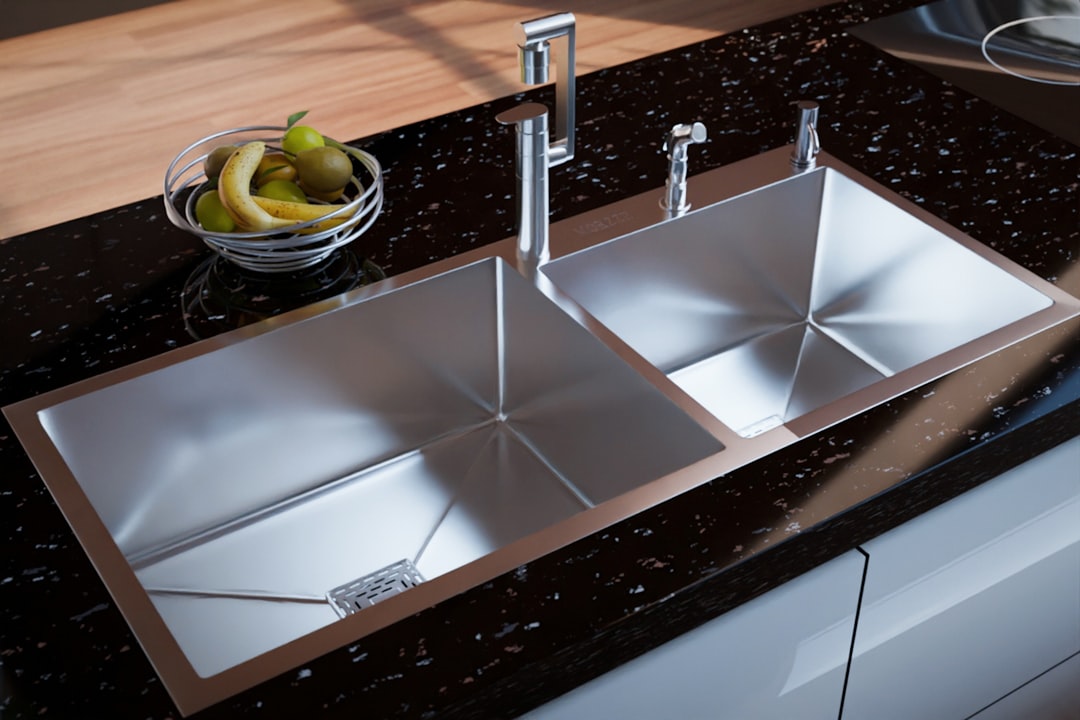
If you are investing in a beautiful slab of granite or quartz, an undermount sink is almost always the way to go. These sinks are mounted underneath the countertop, meaning there is no visible rim on top. This creates a seamless transition that allows you to wipe crumbs and water directly into the basin. Historically, kitchen sink technology has evolved from basic basins to these sophisticated, “invisible” rim designs that maximize usable counter space.
Drop-In (Top-Mount) Sinks
The drop-in sink is the traditional choice. It has a rim that sits on top of the counter surface. While these are often more budget-friendly and easier for a DIYer to install on laminate surfaces, they create a “lip” where grime can collect. In high-end stone installations, we rarely see these because they hide the polished edge of the stone.
Beyond the Main Kitchen: Bar, Laundry, and Outdoor Sinks
Don’t forget the secondary zones!
- Bar Sinks: These are compact versions of kitchen sinks, often 15 to 18 inches wide. They are perfect for prep islands or home bars in Naperville basements.
- Laundry/Utility Sinks: These require extra depth (often 10-12 inches) for soaking clothes or cleaning large items.
- Outdoor Sinks: Usually made of high-grade T-304 stainless steel to resist the elements of a Chicago winter.
Farmhouse and Workstation Kitchen Sinks
Two major trends are dominating the 2026 market: the “Apron-Front” and the “Workstation.”
Farmhouse (Apron-Front) Sinks feature a deep basin and a front panel that replaces a section of your cabinetry. They are timeless, spacious, and perfect for washing oversized stockpots. However, they require a specific “farmhouse-ready” sink base cabinet. If you’re switching from a standard sink to a farmhouse style, more info about sinks installation is vital because the cabinet must be modified or replaced.
Workstation Sinks are the ultimate efficiency tool. They feature integrated ledges that hold sliding accessories like:
- Custom-fit cutting boards
- Roll-up drying racks
- Colanders and prep bowls
This turns your sink into a professional-grade prep station, keeping the mess contained within the basin rather than all over your new countertops.
Specialized Mounting and Corner Configurations
For unique layouts, you might consider a dual mount sink, which can be installed as either a drop-in or an undermount. If you have a corner cabinet that feels wasted, a corner basin can reclaim that space.
When looking at stainless models, you’ll hear terms like zero radius or tight radius. Zero radius sinks have perfectly 90-degree corners for a sharp, industrial look. Tight radius edges (usually 10mm to 15mm) offer a similar modern aesthetic but are much easier to wipe clean. If you are planning a complex layout, such as a commercial-style kitchen, check out The Ultimate Guide To 2 Compartment Sink Layouts for tips on maximizing workflow.
Material Selection and Bowl Configurations
The material you choose determines how much “elbow grease” you’ll need for maintenance and how well the sink stands up to a dropped cast-iron skillet.
Comparing Popular Materials
| Material | Pros | Cons |
|---|---|---|
| Stainless Steel | Durable, heat-resistant, affordable | Can scratch; shows water spots |
| Fireclay | Nonporous, classic look, very hard | Can chip if hit hard; heavy |
| Granite Composite | Scratch/heat resistant, many colors | Can be pricey; requires specific cleaners |
| Cast Iron | Incredible longevity, glossy finish | Extremely heavy; enamel can chip |
Stainless steel remains the king of kitchen sinks. Look for T-304 premium grade steel. The “gauge” refers to thickness—the lower the number, the thicker the steel. 16-gauge is the premium standard (approx. 1.5mm thick), offering better dent resistance and a quieter experience than the thinner 18-gauge. Many top brands, such as Kraus or American Standard, now include SoundSecure+ or similar sound-dampening technology—thick rubber pads on the underside that stop the “tinny” echoing sound.
Granite Composite (like Swanstone or Kraus Quarza) is made of roughly 80% natural quartz stone and 20% acrylic resin. These are incredibly tough. Swanstone® sinks, for example, have impact resistance up to ten times stronger than many competitors. They are available in matte finishes like black, grey, and mocha, which look stunning against a light-colored Taj Mahal quartzite countertop.
Single vs. Double Bowl Kitchen Sinks
Which is better? It depends on how you cook.
- Single Bowl: One giant basin. Great for soaking large baking sheets and big pots. If you have a dishwasher, this is often the preferred choice.
- Double Bowl (50/50): Two equal sizes. One for soapy water, one for rinsing.
- Double Bowl (60/40 Offset): A compromise that gives you one large side and one smaller side for prep or a garbage disposal.
- 1.5 Bowl: A very small secondary bowl (the “half”) that is perfect for a disposal while keeping the main bowl free.
If you’re looking for a wide variety of these configurations, you can find Kitchen Sinks at Home Depot or specialized retailers like Menards.
Aesthetic Finishes and Durability
In 2026, we are seeing a shift away from high-shine chrome. Satin finishes on stainless steel are popular because they hide small scratches. Fireclay offers a nonporous, scratch-resistant enamel that stays white for decades. Interestingly, stainless steel is known to develop a “patina” over time—a series of micro-scratches that eventually blend into a unique, uniform finish.
Installation, Measurement, and 2026 Trends
Precision is everything. At Global Stone Inc., we use digital templating to ensure your sink fits perfectly within your stone cutout.
Measuring for Success
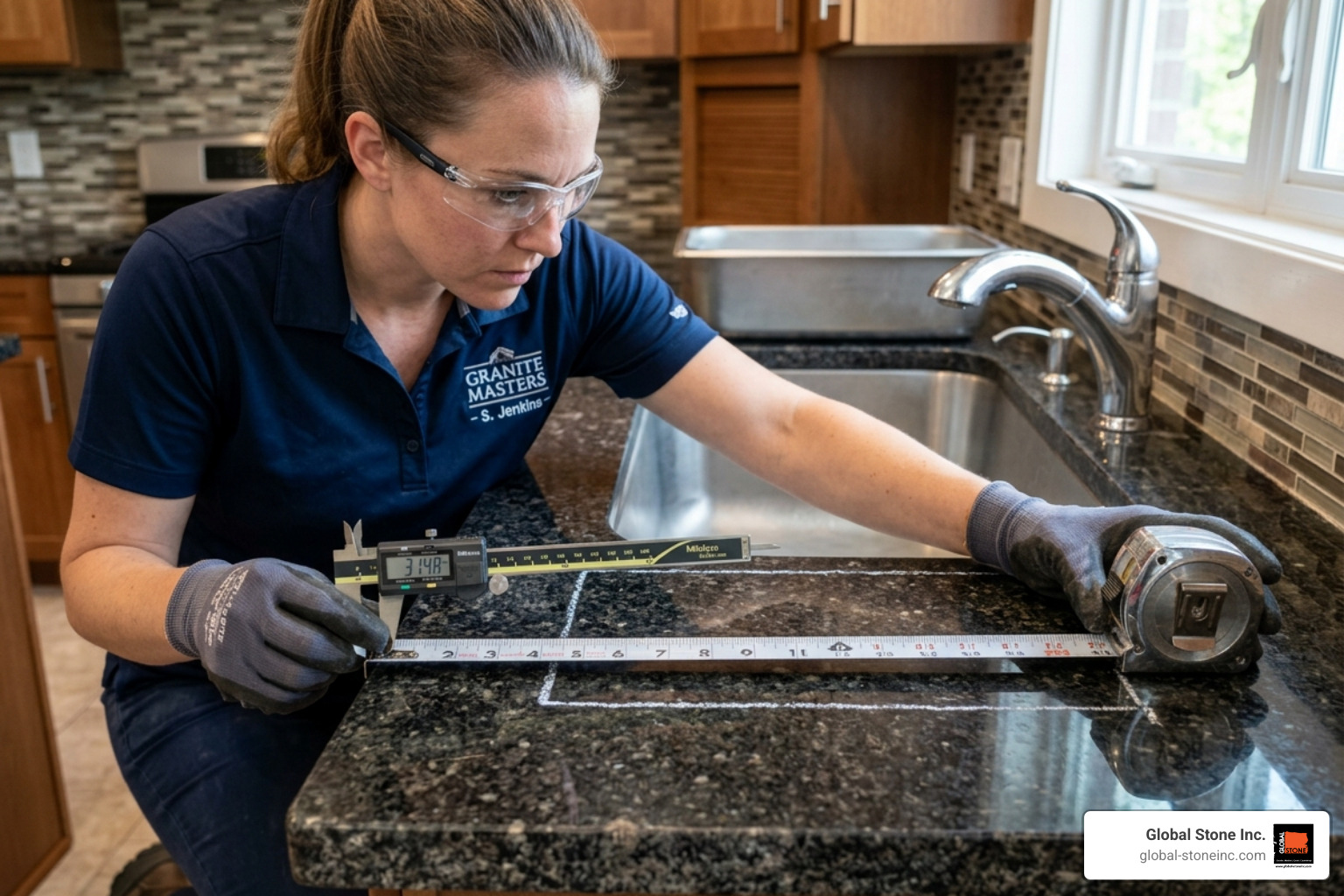
If you are replacing an existing sink, you must measure the cabinet interior width. A 33-inch sink will not fit in a 30-inch cabinet.
- 27-inch cabinets: Often overlooked by manufacturers, but brands like Houzer offer specific models for these narrower spaces.
- Depth: Consider the depth of the sink (usually 8-10 inches) plus the thickness of the stone (usually 1.25 inches). If the sink is too deep, it may interfere with your plumbing or garbage disposal.
- The “Wobble” Factor: For bathroom vanities or heavy kitchen basins, ensuring the top is secure is key. Read our guide on how to Stop The Wobble How To Secure Your Bathroom Vanity Top for stability tips.
Current Design Trends for April 2026
We are seeing a massive rise in seamless stone islands. Chicago homeowners are opting for jumbo slabs of quartzite with mitered waterfall edges. To complement this, integrated stone sinks—where the sink is fabricated from the same stone as the countertop—are the height of luxury.
Other trends include:
- Matte Black Finishes: In both granite composite and PVD-coated stainless steel.
- Industrial Aesthetics: Exposed piping and professional-style spring-neck faucets.
- Smart Faucets: Voice-activated or touchless technology to match the sink’s efficiency.
- Custom Sizes: For those with unique spaces, we often provide 59 Inch Bathroom Countertop Solutions that can be adapted for custom kitchen prep areas.
Maintenance and Long-Term Care
To keep your sink looking new:
- Daily: Rinse away food acids and salts.
- Weekly: Use mild household cleaners. For tough stains on Swanstone or fireclay, a powdered abrasive cleaner and a nylon scrubbing pad work wonders.
- Avoid: Steel wool, which can leave tiny metal particles that rust, making it look like your sink is “rusting” when it’s actually the pad!
- Protection: Use a bottom grid to prevent scratches from heavy pots.
Frequently Asked Questions about Kitchen Sinks
How do I accurately measure for a replacement sink?
Start by measuring the width of the cabinet base from the inside. Then, measure the existing countertop cutout. If you are switching from a drop-in to an undermount, the cutout will likely need to be enlarged and polished, which requires professional CNC fabrication.
What is the difference between 16-gauge and 18-gauge stainless steel?
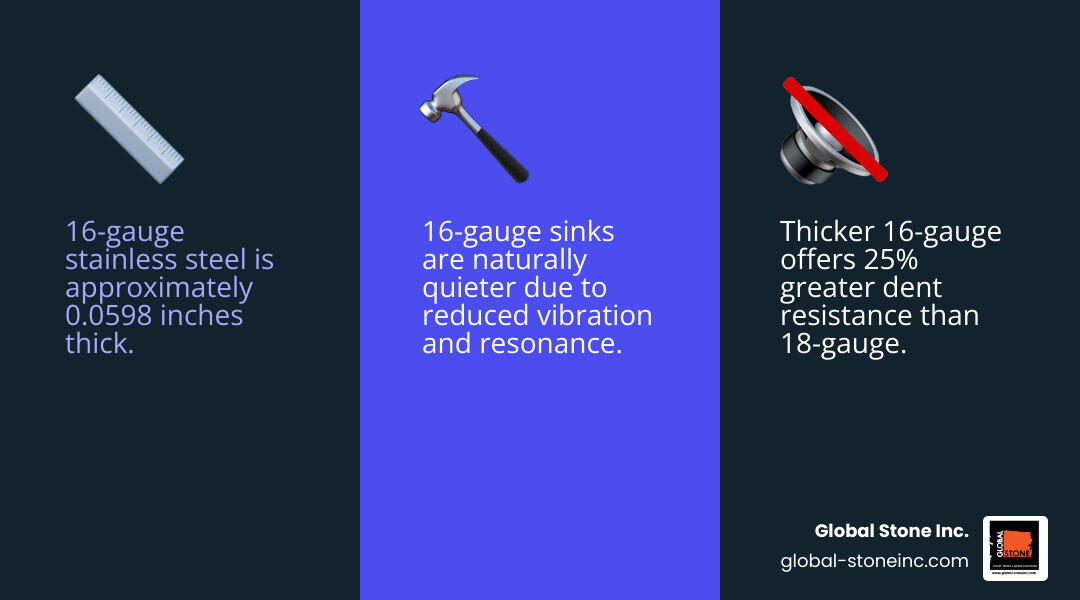
16-gauge is thicker and more durable. It is less likely to dent and is naturally quieter. 18-gauge is the “standard” found in many big-box stores. For a high-use kitchen, the small extra investment in 16-gauge is always worth it.
Are workstation sinks worth the extra investment?
Absolutely. By moving tasks like chopping and drying into the sink area, you free up your countertops and keep water from dripping across the kitchen. It significantly improves the resale value of a home by signaling a “chef’s kitchen” setup.
Conclusion
Choosing from the many kitchen sinks available today can feel overwhelming, but it’s an opportunity to define the heart of your home. Whether you choose a rugged granite composite for your Naperville family home or a sleek workstation for your Chicago condo, the quality of the installation is what ensures longevity.
At Global Stone Inc., we bring over 20 years of experience to every project. From our facility in Elk Grove Village, we handle everything in-house—design, fabrication, and installation. We offer a lifetime warranty because we believe in the precision of our work and the quality of the materials we provide.
Ready to transform your kitchen with the perfect sink and stone pairing? Schedule your kitchen sink installation with us today and let our experts guide you to a beautiful, functional result.
Explore more options at our partners: