
Rock Solid Style: How to Choose the Perfect Marble Kitchen Wall Tile
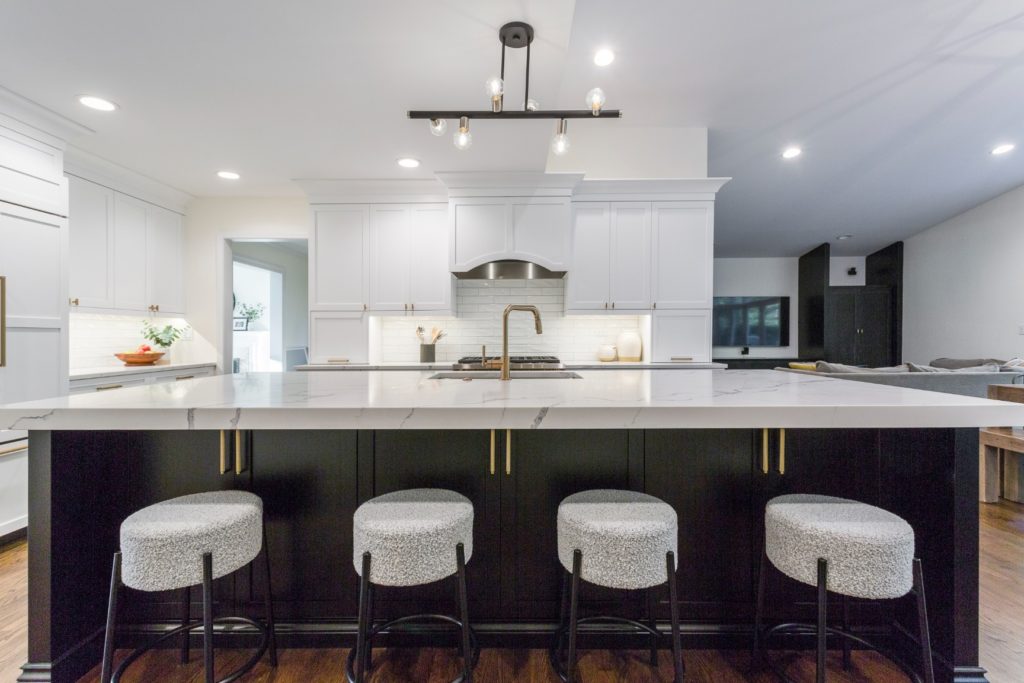
Why Marble Kitchen Wall Tile Transforms Your Kitchen
Marble kitchen wall tile is one of the most impactful upgrades you can make during a kitchen renovation. Here’s a quick overview of what you need to know:
Quick Answers: Marble Kitchen Wall Tile at a Glance
| Question | Quick Answer |
|---|---|
| Best finish for kitchen walls? | Polished for backsplashes; honed near wet zones |
| Most popular colors? | White Carrara, Calacatta, gray, black, beige |
| Typical cost range? | ~$5.79 to $17.06 per sq. ft. for natural marble |
| Does it need sealing? | Yes — before grouting and periodically after |
| Best patterns for backsplashes? | Subway, herringbone, hexagon, mosaic |
| Heat resistant behind stove? | Yes, with proper clearance and sealing |
| Maintenance level? | Moderate — avoid acids, wipe spills promptly |
Few materials come close to natural marble when it comes to sheer visual impact. The distinctive veining, depth, and luminosity of marble turn an ordinary kitchen wall into something that genuinely stops people in their tracks.
But marble is also a natural stone with real quirks — it requires sealing, careful cleaning, and thoughtful installation. Getting it right means understanding your options before you buy a single tile.
In 2026, marble wall tiles remain one of the most searched and purchased backsplash materials, with major retailers listing over a thousand product variations. The demand reflects something simple: homeowners want kitchens that feel both beautiful and built to last.
I’m Greg Zamarski, co-founder of Global Stone Inc., with over 20 years of hands-on experience fabricating and installing marble kitchen wall tile for homes and businesses across the Chicago area. In this guide, I’ll walk you through everything — from choosing the right finish and pattern to installation best practices and long-term care.
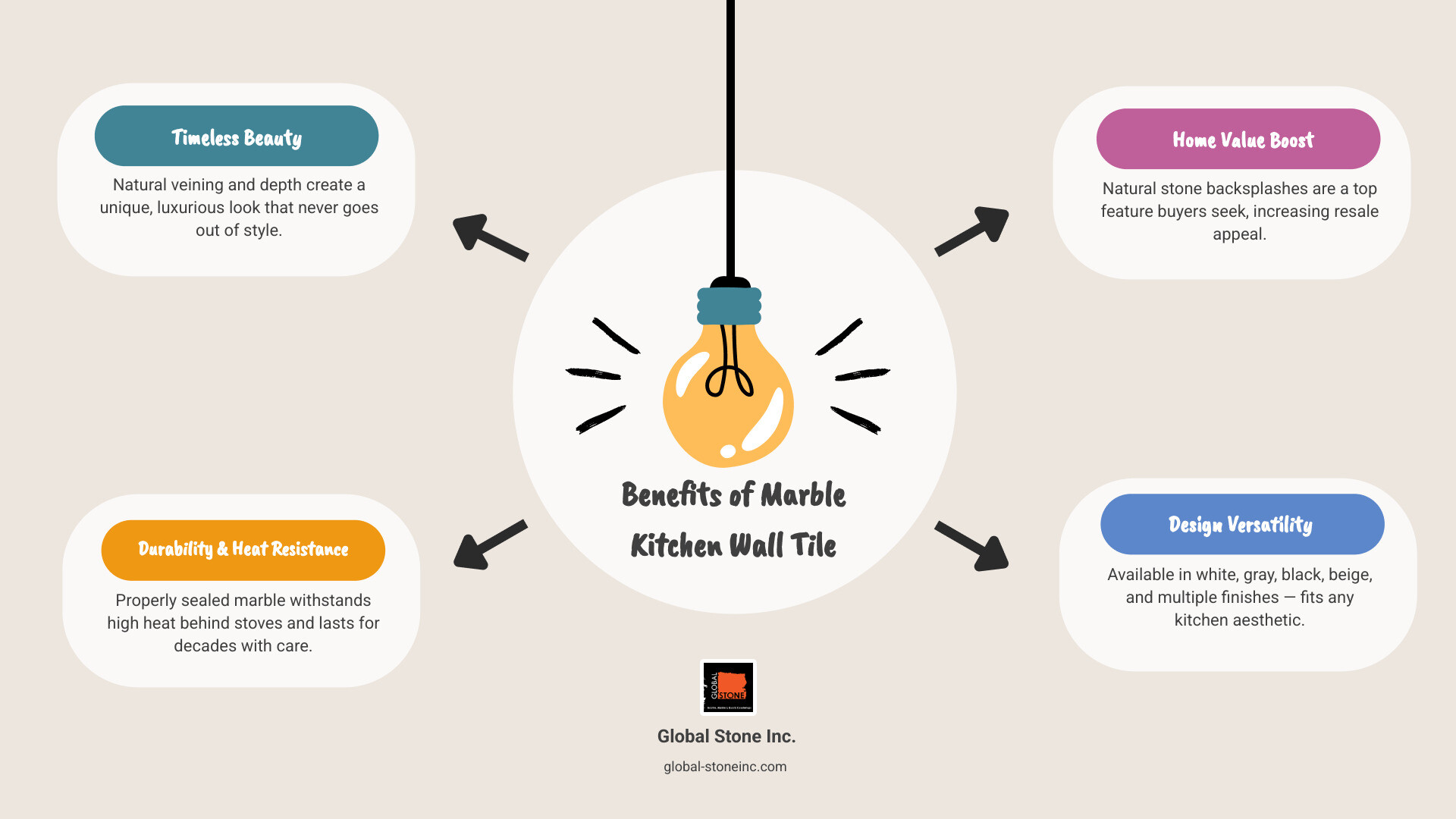
Natural Stone vs. Alternatives: Weighing Your Options
When planning a kitchen renovation, choosing the right backsplash material is a critical design decision. While manufactured look-alikes have flooded the market, natural stone continues to hold a distinct edge in both luxury and longevity.
To help you navigate these choices, let’s look at how natural marble compares to other premium natural stones commonly used for walls and countertops:
| Feature | Natural Marble | Granite | Quartzite |
|---|---|---|---|
| Aesthetic Appeal | Classic, elegant, soft veining | Speckled, crystalline, earthy | Dramatic, bold, marble-like veining |
| Durability Level | Moderate (prone to etching) | Very High (highly scratch-resistant) | Extremely High (harder than glass) |
| Porosity | Medium-High (requires regular sealing) | Low (requires occasional sealing) | Low-Medium (requires sealing) |
| Heat Resistance | High | Excellent | Excellent |
| Best Application | Accent walls, backsplashes | High-traffic zones, heavy-use counters | Statement backsplashes, premium counters |
| Resale Value | Excellent | Great | Outstanding |
To dive deeper into how these materials stack up, check out our guide on The Ultimate Guide to Comparing Stone Kitchen Tiles or read our comprehensive analysis of Is Natural Stone Right for Your Kitchen? A Comprehensive Guide.
While natural stone is the gold standard, modern manufacturing has introduced several alternatives, each with its own set of trade-offs:
- Glazed Porcelain Tile: Products like the Kesler Marble Avorio 24 in. x 48 in. Polished Porcelain Floor and Wall Tile (15.5 sq. ft./case) mimic the look of natural marble slabs. Porcelain is highly stain-resistant, completely waterproof, and requires zero sealing. However, it lacks the unique, three-dimensional mineral depth of authentic stone.
- Peel-and-Stick Faux Marble: Temporary options such as Black Marquina White Marble Wavy Peel and Stick Tiles – Yipscazo Tiles or polyurethane gel-based sheets are budget-friendly and renter-friendly. They require no grout or specialized tools. The downside? They have strict heat limitations (often requiring a 12-inch clearance from stove heat centers), can peel over time in humid environments, and do not add any long-term equity to your home.
For a broader look at how different materials perform under daily kitchen abuse, explore our Countertop Materials Compared: A Complete Guide and find out which elements make up The Best Materials for Residential Countertops.
Why Natural Marble Outperforms Synthetic Alternatives
While synthetic options offer convenience, they simply cannot replicate the tactile warmth and prestige of real marble. Natural stone is a metamorphic rock formed under intense heat and pressure over millions of years. This organic process ensures that no two tiles are identical. Each piece features its own unique mineral veining, subtle pits, and shade variations.
From an investment standpoint, synthetic alternatives like PVC peel-and-stick tiles or basic ceramics do little to boost your property’s appraisal. Real stone, however, is highly prized by home buyers. Installing a premium marble kitchen wall tile backsplash creates a lasting design feature that enhances your kitchen’s overall value, making it a smart financial choice for Chicago-area homeowners.
Designing with Elegance: Selecting Your Marble Kitchen Wall Tile
Choosing the perfect marble tile involves balancing color, veining, and the overall design theme of your kitchen. Whether you are aiming for a bright Mediterranean feel or a moody, modern aesthetic, the variety of natural marble allows for endless customization.
To understand how different marble varieties can impact your kitchen’s style, read our detailed guide on The Ultimate Breakdown of Different Types of Marble Countertops.
Choosing the Right Finish for Your Marble Kitchen Wall Tile
The finish you choose affects not only how the tile looks under your kitchen lighting but also how it stands up to daily splatters:
- Polished Finish: This high-gloss finish reflects light beautifully, making small kitchens feel larger and brighter. The polished surface is highly smooth, which makes wiping away grease splatters incredibly easy. However, it can show scratches and acid etching more clearly under direct light.
- Honed Finish: Honed marble has a satin or matte finish. It is increasingly popular in modern and transitional kitchens because of its soft, understated look. Products like the Thassos Marble Whitest Premium Wall and Floor Tile 4×12″ Matte provide a clean, velvety texture that naturally hides water spots, scratches, and minor etching.
- Tumbled Finish: This textured finish is achieved by placing the stone in a vibrating drum with abrasives, giving the edges a worn, rustic, and slightly chipped appearance. It is perfect for Old World, farmhouse, or rustic kitchen designs.
Color Palettes and Veining Styles
The geological origin of the stone dictates its color and veining style. Here are the most popular families used in modern kitchen walls:
- White Carrara: Sourced from Italy, Carrara is the classic choice. It features a soft, light-gray background with delicate, feathery gray veining. It is highly versatile and pairs beautifully with both light and dark cabinetry.
- Calacatta: Often considered the luxury standard, Calacatta marble features a bright, crisp white background with bold, dramatic veining that ranges from dark gray to warm gold. It acts as “jewelry for your walls” and makes a stunning focal point behind a range.
- Thassos White: Quarried in Greece, Thassos is prized as the whitest natural marble in the world. It has a remarkably uniform, crystalline structure with virtually no veining, making it ideal for sleek, minimalist, or Mediterranean-inspired designs.
- Black Marquina: A dramatic black marble with striking white veins. It creates an incredible high-contrast look when paired with white quartz countertops or warm wood tones.
- Beige and Warm Tones: Crema Marfil and Emperador marbles offer warm beige, tan, and brown tones that bring a cozy, sophisticated feel to traditional and transitional kitchens.
Popular Layouts and Patterns for Kitchen Backsplashes

The layout of your tile can completely change the visual dynamics of your kitchen. A simple rectangular tile can look traditional when laid in a standard brick pattern, or ultra-modern when stacked vertically.
Before finalizing your pattern, it helps to understand how the backsplash integrates with the rest of your kitchen surfaces. Explore our design resources on The Complete Guide to Backsplashes for inspiration on pairing your wall tile with your countertops.
Popular Patterns for Your Marble Kitchen Wall Tile Backsplash
Here are the most sought-after patterns that designers use to create visual texture:
- Classic Subway (Running Bond): The timeless 3×6 or modern, elongated 3×12 format. The elongated sizes create clean, horizontal lines that visually stretch a narrow kitchen, making the room feel wider and more spacious.
- Herringbone Pattern: Placing rectangular tiles at a 90-degree angle creates a dynamic, zigzag pattern. Utilizing pre-mounted mosaics like the Arabescato Corchia 1X4 Herringbone Marble Tile– SurfacesGalore brings a sophisticated, designer look to the kitchen without the headache of aligning individual tiny tiles.
- Hexagon Mosaic: Hexagonal tiles offer a playful, geometric look that has been popular since the Victorian era. They add a wonderful texture and can soften the hard, straight lines of kitchen cabinets and appliances.
- Geometric Diamond: Blending different marble types—such as bright white Thassos with muted gray tones—creates high-end geometric layouts. A prime example is the Garden Party Marble Mosaic GDN-131 Espresso Tan , which uses diamond shapes to create an intricate, custom-designed aesthetic.
Installation and Heat Resistance Behind the Stove
One of the most common questions homeowners ask is whether natural marble can handle the heat behind a cooktop. The short answer is yes—natural marble is highly heat-resistant. It was formed under volcanic temperatures, so the heat from a residential stove will not damage or crack the stone.
However, because marble is porous, the area behind your stove is highly vulnerable to grease splatters, steam, and acidic food splatters (like tomato sauce or lemon juice). Proper preparation, correct adhesive selection, and high-quality sealing are non-negotiable in this zone.
Why Professional Installation is Essential for Marble Kitchen Wall Tile
While DIY home projects can be rewarding, natural marble tile is unforgiving. Unlike ceramic tile, marble requires specialized handling to prevent permanent damage during installation:
- Substrate Preparation: Marble is heavy. The wall substrate must be perfectly flat, clean, and structurally sound. Any flexing in the drywall can cause the grout lines to crack or the tiles to pop loose.
- Adhesive Selection: You must always use a premium, polymer-modified white thin-set mortar for light-colored marble. Using standard gray mortar can bleed through the porous stone, creating dark, permanent shadows that ruin the bright white appearance of Carrara or Calacatta.
- Precision Cutting: Marble is prone to chipping. Cutting intricate shapes around electrical outlets, cabinets, and range hoods requires a professional wet saw equipped with a fresh, continuous-rim diamond blade.
- Avoiding Lippage: Lippage occurs when the edges of adjacent tiles are not perfectly flush. On walls, especially under under-cabinet LED lighting, even minor lippage creates harsh shadows. Professional installers use advanced tile leveling systems to ensure a perfectly flat, seamless finish.
- Pre-Grout Sealing: Because marble is porous, the pigments in grout can easily penetrate and permanently stain the edges of the tile face. Professionals apply a high-quality “grout release” or a first coat of penetrating sealer before grouting to protect the stone.
At Global Stone Inc., our experienced, in-house team of designers, fabricators, and installers handles every step of the process. We ensure your natural stone investment is installed flawlessly and backed by our lifetime warranty. If you are planning a complete kitchen makeover, you can learn more about our Marble Countertop Installation Chicago IL and Custom Marble Work Chicago IL services.
Cost Analysis and Buying Guide
Budgeting for a marble kitchen wall tile project requires looking beyond the initial price per square foot of the tile itself.
Here is a breakdown of the financial factors you should consider:
- Tile Price Range: Depending on the rarity of the stone and the complexity of the pattern, natural marble tiles typically range from $5.79 to $17.06 per square foot at major retailers. Premium mosaic sheets or rare Calacatta gold patterns can cost significantly more.
- The Waste Factor: You should always order more tile than your actual wall square footage. For standard subway tiles, a 10% overage is recommended to cover cuts and waste. For complex patterns like herringbone or diagonal layouts, you should plan for a 15% to 30% waste factor because of the frequent, precise cuts required along the edges.
- Custom Fabrication: If your design features unique details, such as custom chiseled edges, bullnose trim, or deep-beveled borders, these require professional fabrication. Ordering custom-cut pieces directly from a local fabricator like Global Stone Inc. ensures a perfect match with your countertops.
- Ordering Samples: Digital screens can alter colors. Always order physical samples first to see how the marble’s natural veining and undertones look under your kitchen’s specific lighting and alongside your cabinetry.
Frequently Asked Questions about Marble Kitchen Walls
Can marble tile be used safely behind a stove?
Yes, natural marble tile is completely safe to use behind a stove. It is highly heat-resistant and will not warp or melt. However, to prevent staining from grease splatters and acidic cooking oils, it is critical to apply a high-quality penetrating sealer during installation and clean up splatters promptly.
How often does natural stone wall tile need to be sealed?
For kitchen backsplashes, we recommend sealing your marble tile once every 1 to 2 years, depending on how heavily the kitchen is used. You can perform a simple “water drop test”: splash a few drops of water onto the tile. If the water beads up, your sealer is doing its job. If the water soaks into the stone and darkens it within a few minutes, it is time to reapply a penetrating sealer.
How do you clean grease and stains from marble wall tiles?
Always use a pH-neutral stone cleaner and a soft microfiber cloth. Never use acidic, abrasive, or harsh household cleaners (like vinegar, lemon juice, bleach, or ammonia) on marble. Because marble is calcium-based, these acidic substances will chemically react with the stone, causing dull, permanent marks known as “etching.”
For a complete guide on preserving your stone’s beauty, read The Ultimate Guide to Cleaning Natural Stone Kitchen Wall Tiles.
Conclusion
Installing a marble kitchen wall tile backsplash is a timeless design choice that brings unmatched elegance, depth, and value to your home. By understanding the different finishes, choosing the right pattern, and trusting professional installers to handle the delicate installation process, you can enjoy the luxurious beauty of natural stone for decades to come.
Serving Chicago, Naperville, and Elk Grove Village, Global Stone Inc. brings over 20 years of local expertise, in-house designers, and a lifetime warranty to every project. Whether you are choosing the perfect stone or looking for professional installation, we are here to help.
Ready to transform your kitchen? Contact us today to speak with our design experts, or explore our The Ultimate Guide to Cleaning Natural Stone Kitchen Wall Tiles to keep your stone looking flawless.